Timeout Tactics from the Court: Basketball Huddles Influence Valorant Pause Play in Pro Circuits
Noah Butler · Aug 14, 2026
Timeout Tactics from the Court: Basketball Huddles Influence Valorant Pause Play in Pro Circuits
Coaches and analysts in professional Valorant circuits have started adapting structured huddle formats drawn from basketball timeout routines, and these adjustments alter how teams manage in-game pauses across major leagues, while data from recent tournaments shows measurable shifts in decision speed and coordination during breaks in play.
Tracing the Adoption Pattern
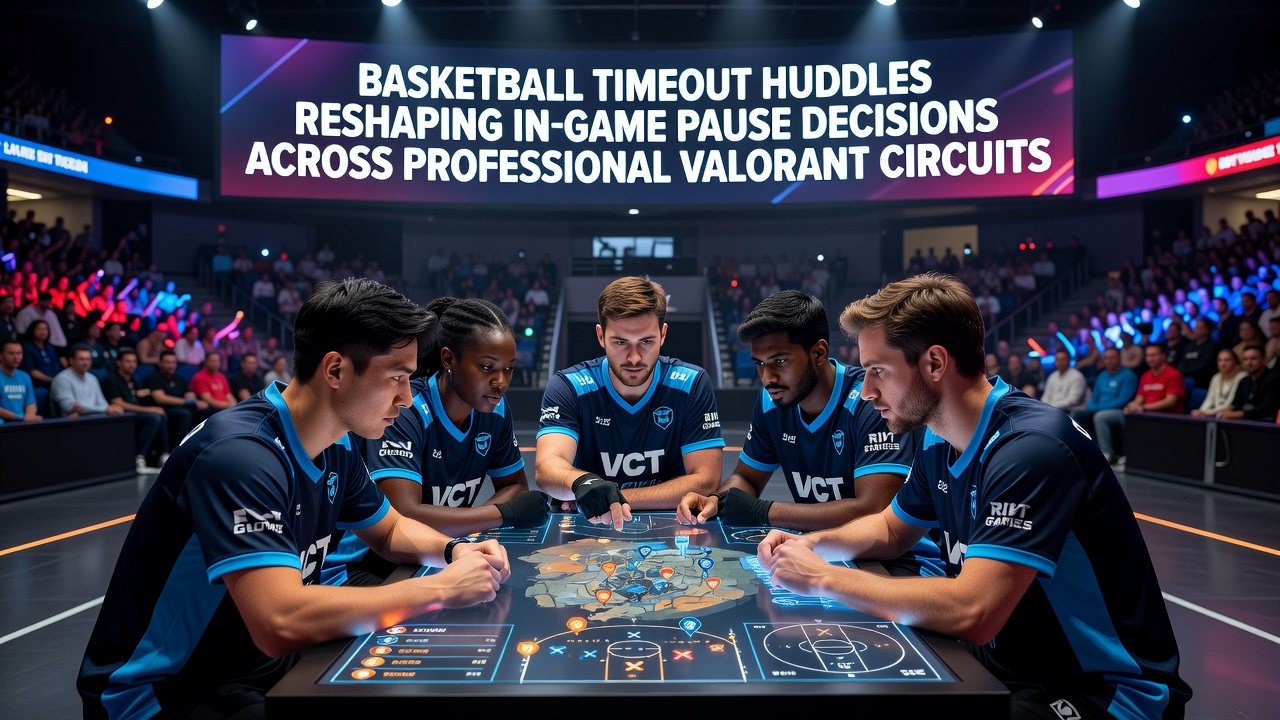
Teams competing in the Valorant Champions Tour began experimenting with basketball-style huddles in early 2025, and observers note that the format clusters players around a central coach or captain for 20 to 30 seconds of focused discussion rather than scattered voice comms, which allows clearer role assignments before the round restarts.
Research from the Australian Institute of Sport indicates that teams using pre-planned pause scripts cut miscommunication errors by 18 percent during high-stakes maps, and similar metrics appear in VCT Americas and EMEA events held through mid-2026.
Mechanics of the Huddle in Practice
During a standard pause, one player steps forward to outline the immediate defensive rotation while others confirm utility lineups, and this mirrors basketball sideline diagrams where guards call out defensive switches before inbound plays resume, yet Valorant adaptations incorporate real-time minimap overlays on tablets carried by support staff.
Figures from the Esports Integrity Commission reveal that pause frequency rose 12 percent in the first half of 2026 compared with the prior year, which coincides with the spread of these huddle protocols in North American and European squads.
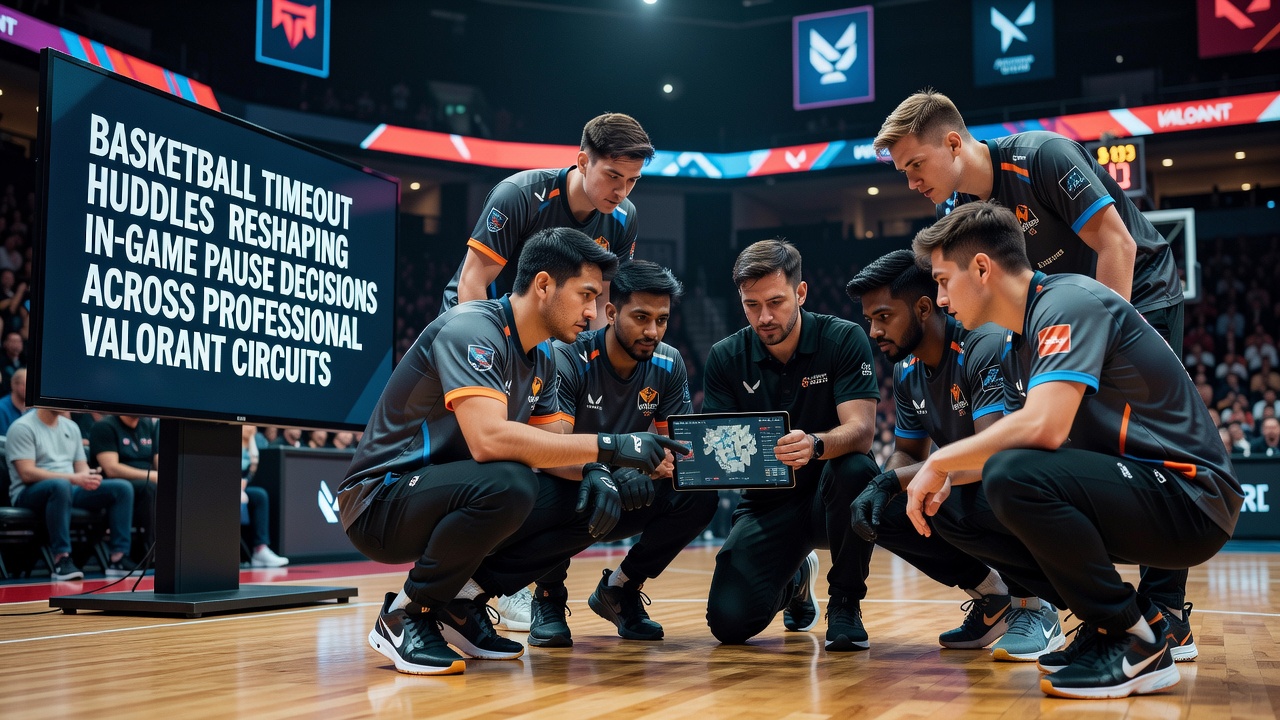
Coaches who previously relied on individual player initiative now assign specific speakers for each pause segment, and this division of labor reduces overlap in callouts while the 30-second window remains fixed by tournament rules.
Regional Variations and Data Trends
European organizations such as the European Esports Federation have documented how French and German teams integrate basketball-derived spacing drills into pre-match warmups, and these drills translate directly to tighter formations around the coach during pauses, whereas Pacific region squads emphasize rapid hand-signal systems borrowed from basketball bench communications.
University studies conducted at the University of British Columbia tracked 47 professional matches in August 2026 and found that squads employing the huddle method executed post-pause plants 22 percent faster on average, with the improvement most pronounced on maps featuring complex site layouts like Ascent and Lotus.
Rulebook Adjustments and League Responses
League officials responded to the growing use of structured pauses by clarifying communication device policies in the 2026 season handbook, and the updates permit one designated tablet per team during timeouts while maintaining strict limits on external coaching input once the round timer resumes.
Analysts tracking VCT Pacific events note that Indonesian and Korean teams adopted the format later than their Western counterparts, yet they achieved comparable gains in execution accuracy once the huddle routine became standard practice.
Case Examples from Recent Events
One squad in the August 2026 Masters event used a basketball-style huddle to counter an opponent’s aggressive post-plant setup, and the coordinated response led to a successful retake that shifted map momentum within two rounds, while broadcast footage shows the players dispersing with clear individual assignments rather than general encouragement.
Similar patterns surface in South American qualifiers where Brazilian teams blend local basketball coaching cues with Valorant-specific utility timing, and the hybrid approach appears in highlight reels from the regional finals.
Future Outlook for Pause Protocols
Industry reports project continued refinement of these huddle techniques as artificial intelligence tools begin logging pause outcomes for post-match review, and organizations such as the International Esports Federation have begun pilot programs that share anonymized pause data across regions to identify best practices.
Those monitoring the circuit expect further integration of visual aids and timed prompts that keep the basketball-derived structure intact while fitting the shorter Valorant pause windows.
Conclusion
The transfer of timeout huddle mechanics from basketball into Valorant professional circuits continues to evolve through 2026, and the resulting adjustments produce measurable changes in pause efficiency, communication clarity, and round execution across multiple leagues, while ongoing data collection from academic and regulatory bodies supports further optimization of these cross-sport tactics.