Platform Economics Drive Shifts in Esports Player Endorsement Strategies
Jonas Reed · Jul 22, 2026
Platform Economics Drive Shifts in Esports Player Endorsement Strategies
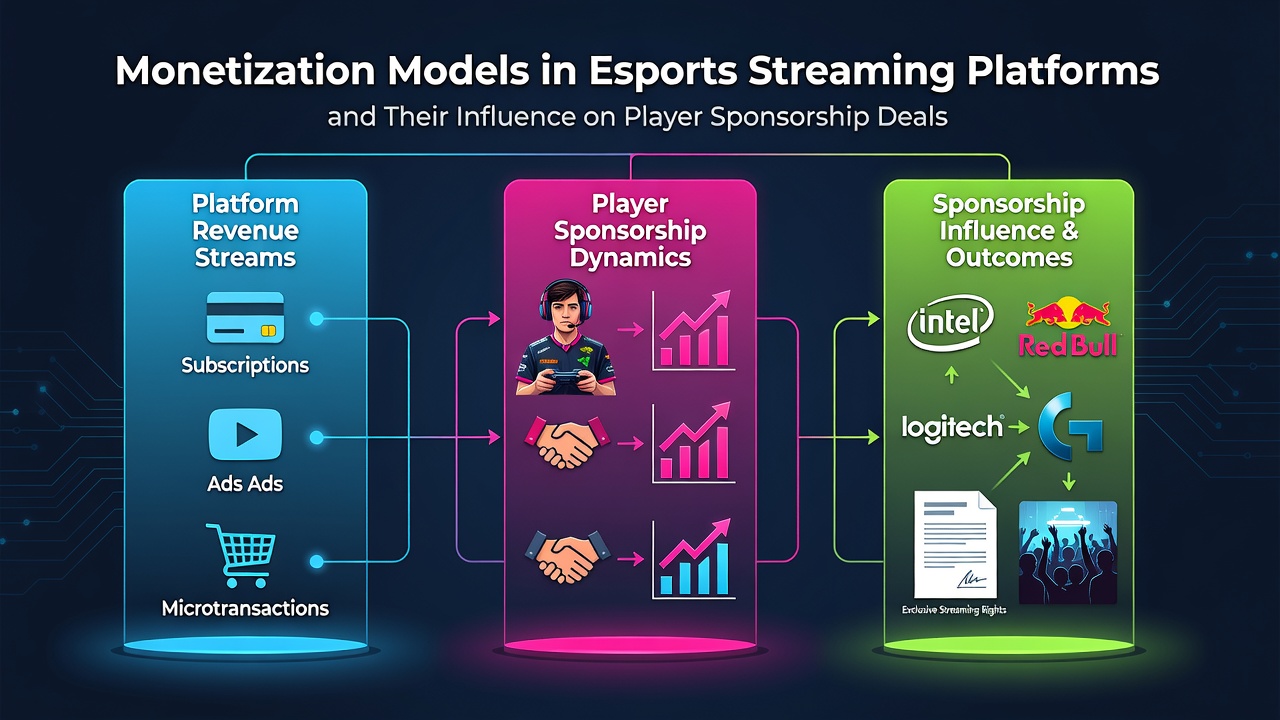
Monetization models on esports streaming platforms generate revenue through subscriptions, advertising, virtual goods, and direct viewer contributions, and these systems directly shape the sponsorship opportunities available to professional players. Data from industry reports shows that subscription tiers on services like Twitch and YouTube provide recurring income while platforms retain significant percentages, which in turn influences how teams and individual competitors structure endorsement contracts with external brands.
Subscription programs allow viewers to pay monthly fees for benefits such as ad-free viewing and custom emotes, and platforms typically allocate 50 percent of these fees to creators according to figures released by major services. Advertising revenue comes from pre-roll, mid-roll, and sponsored segments integrated into broadcasts, while virtual items like channel points and donations create additional income streams that fluctuate based on audience size and engagement levels. Researchers at academic institutions have documented how these layered models create variable earnings patterns that sponsors examine when negotiating deals wth rising talents.
Core Revenue Mechanisms on Major Platforms
Twitch, YouTube Gaming, and emerging services in Asia employ distinct approaches to revenue sharing that affect player visibility and brand alignment. Subscription splits remain consistent across regions, yet advertising inventory differs because some platforms prioritize programmatic ads while others favor direct brand integrations during tournaments. Those who have analyzed payout statements note that top earners combine multiple streams, which creates more stable financial profiles that attract long-term sponsorship partners from hardware manufacturers and beverage companies.
Virtual goods and donation mechanics add unpredictability because viewer spending spikes during major events such as the League of Legends World Championship or Valorant Champions. Industry organizations tracking esports economics report that these spikes often coincide with contract renewal periods, allowing players to leverage demonstrated audience reach when discussing terms with potential sponsors. In July 2026, several platforms introduced updated creator funds tied to watch time metrics, further linking broadcast performance to direct compensation that sponsors factor into valuation models.
How Platform Cuts Influence Deal Negotiations
Platform fees ranging from 30 to 50 percent reduce net income from streaming, which prompts players and their agents to seek higher-value sponsorship packages that offset those deductions. Sponsorship agreements now frequently include clauses addressing streaming obligations, such as minimum broadcast hours or exclusive platform commitments, because brands want to maximize exposure on services where audiences already engage. Observers note that athletes with diversified revenue see greater leverage during negotiations since their overall earnings demonstrate market demand beyond any single platform.
Case examples from North American and European leagues illustrate the pattern where players who build large subscription bases secure apparel and peripheral deals worth six figures annually. Data released by trade groups indicates these contracts often contain performance bonuses linked to concurrent viewers or social media mentions generated during streams. The structure encourages competitors to maintain consistent schedules on high-traffic platforms rather than experimenting with smaller services that offer different revenue splits.
Regional Variations and Emerging Trends
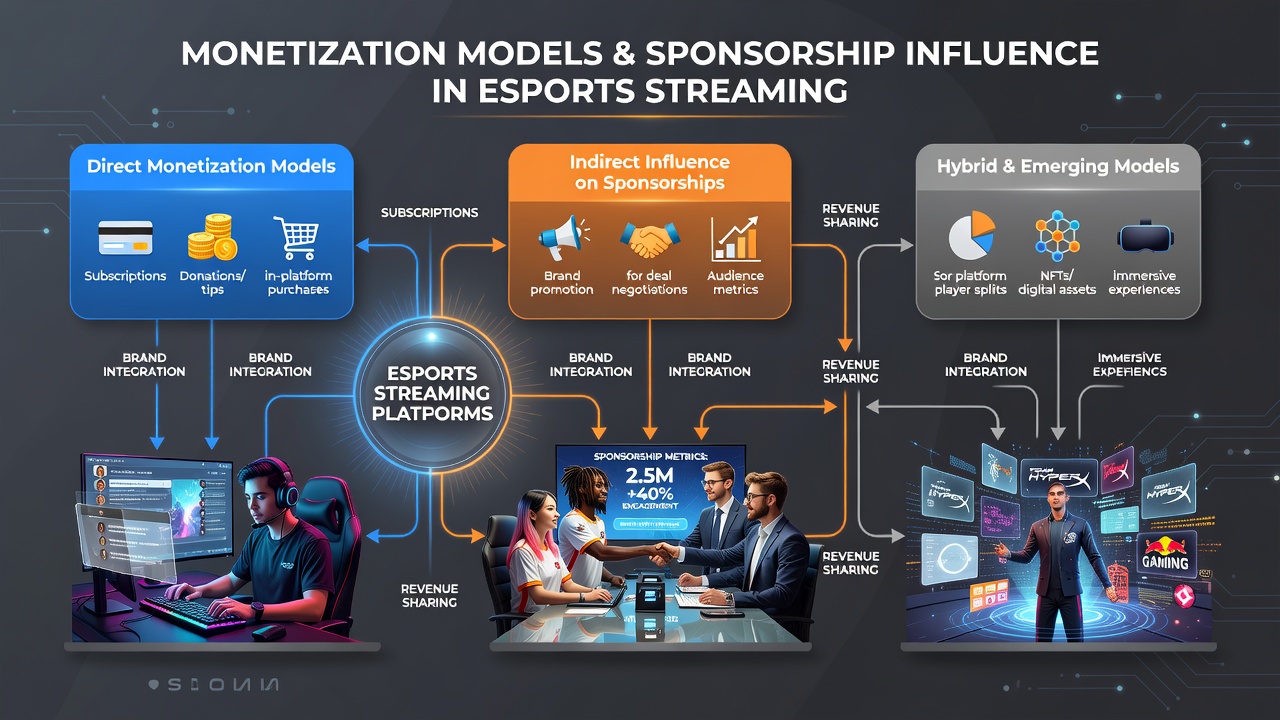
Platforms operating in different markets apply localized monetization rules that create uneven sponsorship landscapes. In markets where government regulations on digital content influence advertising placements, players sometimes pursue regional brands that align with platform policies rather than global corporations. Research from European academic centers highlights how these constraints push competitors toward multi-platform strategies that spread risk and increase total audience reach, which in turn broadens the pool of interested sponsors.
Partnerships between streaming services and tournament organizers have introduced shared revenue models that bundle advertising sales across events. Those tracking contract announcements observe that teams increasingly require players to participate in platform-specific activations, such as branded streams or in-game item promotions, because these activities generate measurable engagement data that sponsors value. The result is tighter integration between broadcast schedules and endorsement deliverables.
Future Outlook for Player Revenue
Shifts in platform algorithms and new features continue to alter how earnings translate into sponsorship appeal. Services experimenting with direct brand marketplaces allow viewers to purchase sponsored items during broadcasts, creating traceable conversion metrics that teams present during deal discussions. Figures from industry analyses suggest these tools may standardize how sponsorship value gets calculated across regions.
Conclusion
Monetization frameworks on esports streaming platforms establish the financial baseline that sponsorship deals build upon, and changes to revenue splits or audience tools ripple through contract structures. Players who adapt broadcast strategies to maximize platform earnings position themselves for stronger endorsement arrangements with external partners. The interplay between these systems remains central to professional career planning in competitive gaming circuits worldwide.