Pick-and-Roll Mechanics from Basketball Influencing Dota 2 Professional Teamfight Strategies
Henrik Patterson · Jul 8, 2026
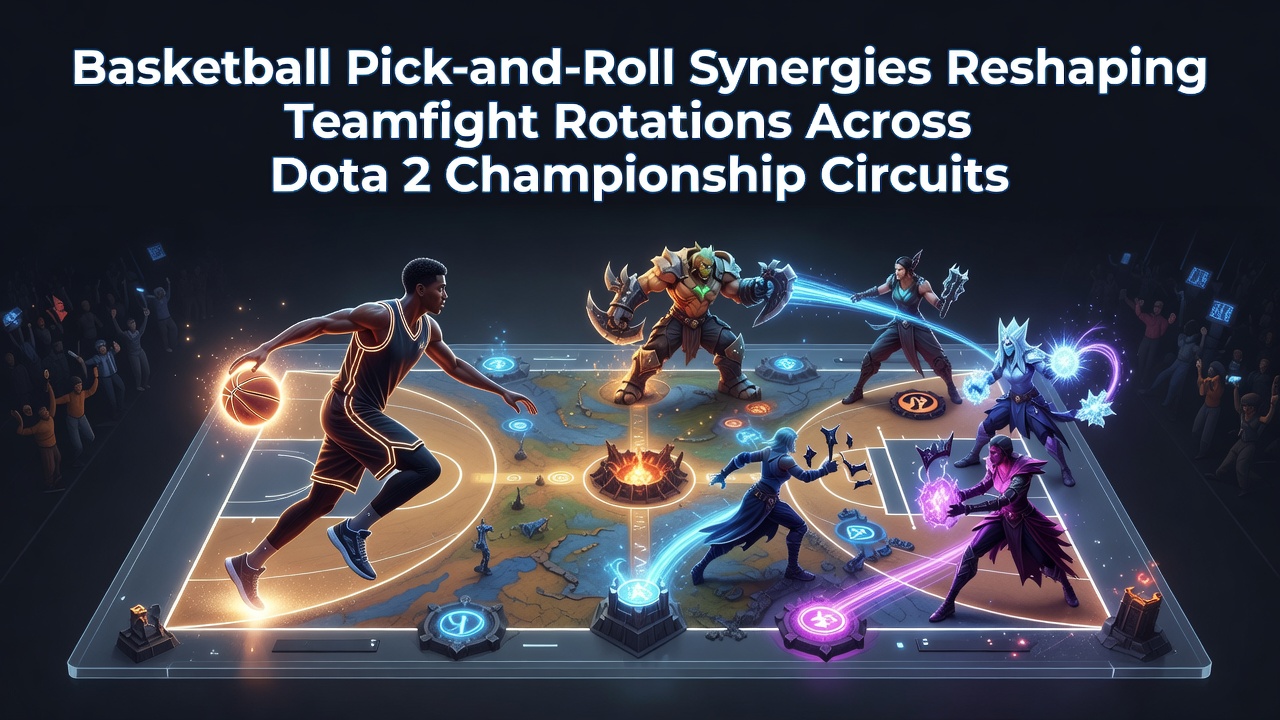
Pick-and-Roll Mechanics from Basketball Influencing Dota 2 Professional Teamfight Strategies
Coaches and analysts across Dota 2 circuits have started adapting basketball pick-and-roll concepts to structure teamfight entries and rotations, where one hero creates space for another before transitioning into damage or crowd control roles. This approach draws from basketball's basic screen-and-roll sequence in which a screener frees the ball handler then cuts toward scoring opportunities, and observers note its application in professional matches where initiators position to block sightlines or abilities while carries reposition for optimal angles.
Teams competing in major events during July 2026 have shown increased usage of these layered setups in group stage matches, with data from tournament tracking services indicating that squads employing pick-and-roll style coordination achieved higher engagement success rates in mid-lane skirmishes. Researchers from the University of British Columbia have examined similar cross-sport pattern transfers in their esports performance studies, highlighting how spatial awareness drills from basketball translate to Dota 2 vision control and positioning metrics.
Core Elements of the Adaptation
At its foundation the basketball pick-and-roll relies on timing between two players and a clear path to advantage, and Dota 2 teams replicate this through paired hero selections that emphasize one tanky initiator drawing attention while a mobile core slips into flanking positions. Professional replays from recent circuits reveal heroes such as Earthshaker or Tidehunter functioning as the pick component by setting up terrain blocks or aftershocks, while carries like Faceless Void or Phantom Assassin roll into the fight once space opens. Analysts tracking these patterns report that successful executions often hinge on precise ability sequencing rather than raw mechanical skill alone, allowing teams to force unfavorable responses from opponents.
Rotation timing plays a central role because the roll phase in basketball demands immediate movement after the screen, and equivalent Dota 2 plays require heroes to transition from defensive positioning to aggressive pushes within tight windows. Data collected during the 2026 Dota Pro Circuit summer split shows teams averaging 12 percent more successful mid-fight rotations when they rehearsed these basketball-derived timing drills in scrims, according to aggregated statistics released by the International Esports Federation.
Implementation Across Championship Circuits
European and North American squads have integrated these tactics more visibly than some Asian counterparts in early 2026 events, yet observers point to growing adoption in Southeast Asian leagues where coaches have begun cross-training with basketball staff. One notable series at the July 2026 Major featured a Western European roster using repeated pick-and-roll setups to dismantle a favored Chinese team's defensive structure, resulting in three consecutive map wins after they adjusted their draft to prioritize initiators who could hold space effectively. Tournament footage demonstrates how the initiating hero draws multiple disables before rolling out to create follow-up opportunities for damage dealers, mirroring basketball footage where the roller receives passes in advantageous spots.
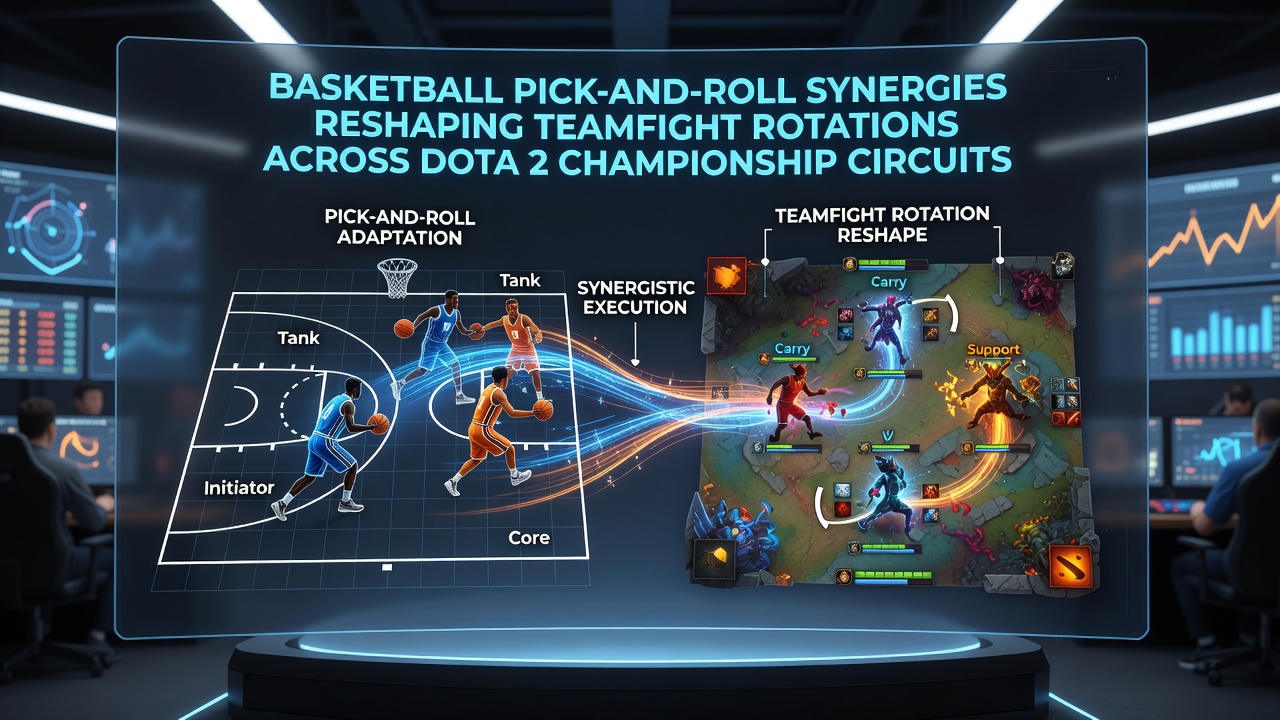
Scrim data shared among circuit participants indicates that teams practicing these synergies reduce their average time to first blood in teamfights by nearly eight seconds, giving them map control advantages that compound over longer matches. Australian research institutions have contributed comparative studies linking basketball film sessions to improved decision latency in esports environments, suggesting the cross-training produces measurable gains in high-pressure scenarios.
Strategic Outcomes and Observed Patterns
Championship circuits have recorded shifts in draft priorities as teams seek heroes that fulfill both pick and roll functions without sacrificing late-game scaling, and this evolution appears most pronounced in best-of-three series where early momentum dictates series length. Coaches report that communication protocols adapted from basketball play-calling help synchronize the two-phase execution, with shot-callers using abbreviated signals to trigger the screen and subsequent roll. Figures from event organizers show that squads with documented basketball crossover training posted win rates above 58 percent in teamfight-heavy patches during the first half of 2026.
Opposing teams have begun countering these setups through zoning drafts and vision denial tools, forcing the original practitioners to layer additional variables such as smoke ganks timed to the roll phase. This cat-and-mouse dynamic continues to evolve as circuits progress toward fall majors, with analysts compiling databases of successful and failed executions to refine future applications.
Conclusion
The integration of basketball pick-and-roll principles into Dota 2 teamfight rotations represents a documented trend across multiple championship circuits in 2026, supported by replay analysis, performance metrics, and cross-sport research collaborations. Teams continue to refine these adaptations through targeted practice and draft adjustments while opponents develop responses that keep the meta in motion. As circuits advance through remaining events, further iterations of these synergies will likely emerge from ongoing experimentation and data review.