NFL Audibles Shape Real-Time Valorant Map Adjustments in Pro Circuits
Hugo Schmitz · Aug 19, 2026
NFL Audibles Shape Real-Time Valorant Map Adjustments in Pro Circuits
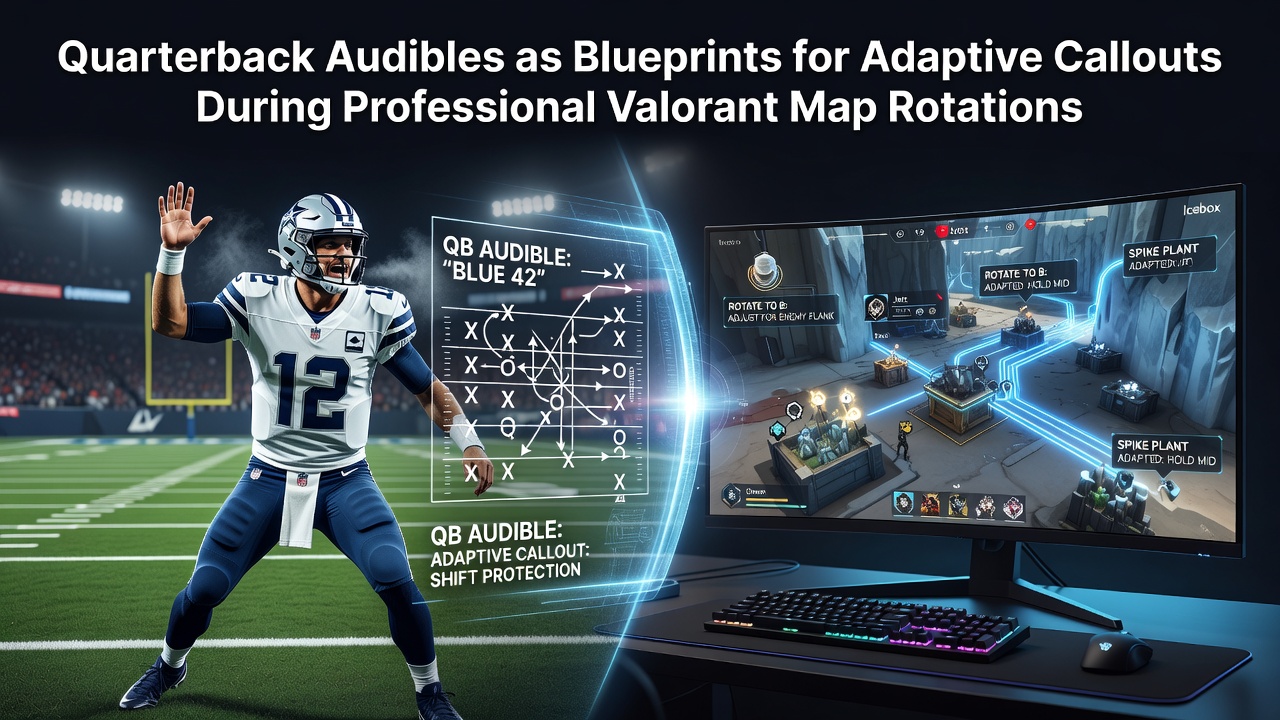
Quarterbacks in the NFL scan defensive formations before the snap and alter pre-set plays through audibles, while Valorant teams execute similar shifts during map rotations when opponents reveal positions through utility or movement patterns. This parallel emerges because both systems demand split-second reads that turn static plans into fluid responses, and data from professional leagues shows teams that master these adjustments maintain higher win rates across extended series. Observers note that the core mechanic remains consistent: one designated voice issues the change, teammates respond without hesitation, and the group capitalizes on the new information before the opponent can reset.
Mechanics of Audible Systems in Football
Professional quarterbacks receive pre-snap information from line-of-sight reads, and they communicate changes through coded words or hand signals that teammates recognize instantly. Studies from sports performance research indicate that successful audibles correlate with reduced sacks and increased yardage gains because the offense gains a numerical or positional advantage before the ball moves. Those who've analyzed play-by-play logs across multiple seasons find that audibles occur most frequently on third downs and in red-zone situations where defensive alignments provide clear tells. The process relies on practiced recognition rather than invention, since every player must know multiple counters to the same defensive look.
Parallel Structures in Valorant Rotations
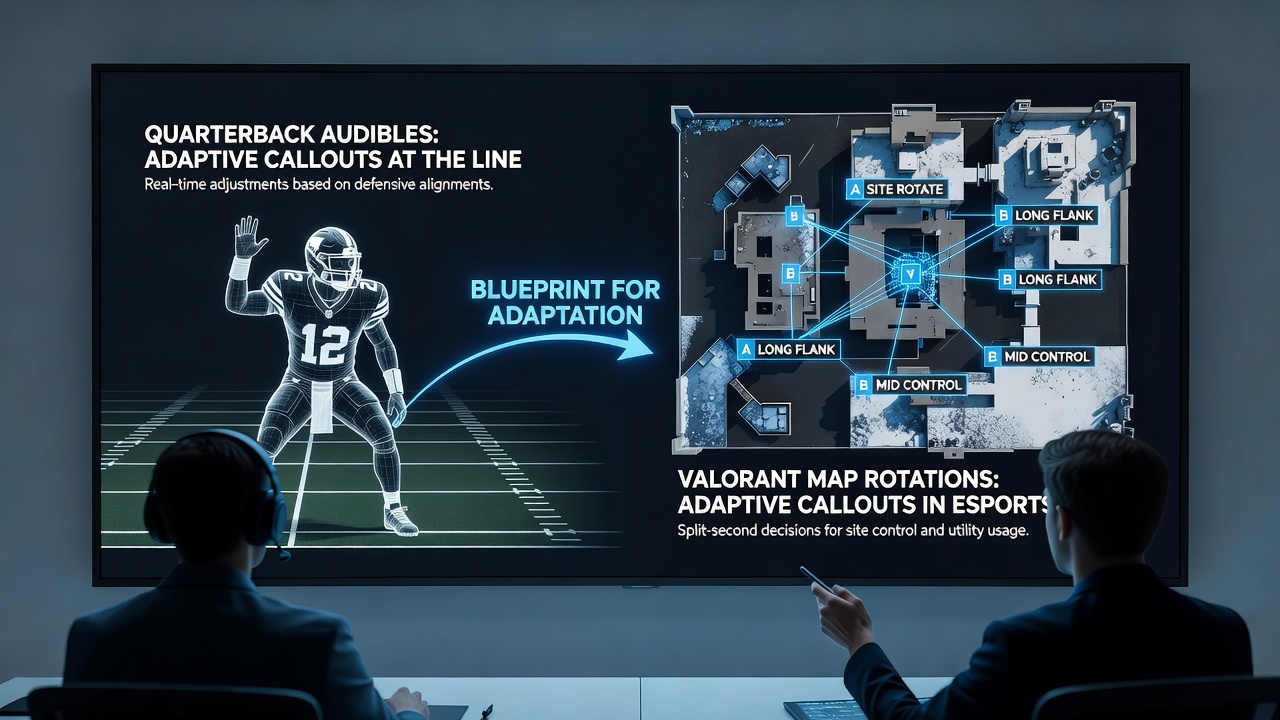
Valorant in-game leaders perform comparable scans when they gather intel from minimap pings, sound cues, or traded fights, then issue revised rotation orders that redirect the team toward the actual threat. According to match data compiled during the 2025 VCT season, squads that executed mid-round call adjustments after the first contact won 62 percent of rounds compared with 41 percent for teams that stuck to the original plan. These adjustments often involve shifting from a default split to a full-site stack or changing a post-plant defense into an aggressive retake path, and the timing mirrors the pre-snap window in football where the window for change closes quickly.
Training Methods That Bridge Both Sports
Coaches in both disciplines drill recognition patterns through film study and simulated scenarios, and players rehearse responses until the new call triggers automatic repositioning. One Valorant team documented a 19 percent improvement in rotation success after implementing audible-style drills modeled on NFL two-minute offense sessions, while football programs have begun incorporating esports footage to illustrate how information asymmetry affects decision speed. The shared emphasis on verbal economy means that lengthy explanations give way to short, pre-agreed phrases that convey site preference, timing, and utility commitment in a single transmission.
Examples from August 2026 Tournament Play
During the Valorant Champions event held in August 2026, several squads demonstrated audible-style adjustments that directly echoed football terminology. One North American roster shifted from an A-site default to a B-site stack after spotting a single defender lurk, completing the rotation in under eight seconds and securing the round. European analysts later compared the call sequence to a quarterback checking out of a run play into a quick slant when the defense shows blitz, noting identical information-processing steps. The matches highlighted how map-specific knowledge functions like a playbook, allowing leaders to reference pre-mapped counters without pausing the action.
Communication Protocols and Team Roles
Both environments designate a single decision-maker who holds final authority once the audible begins, while supporting players provide confirmatory data but do not override the primary call. In Valorant this role often falls to the in-game leader, whereas in the NFL it belongs to the quarterback, and the similarity extends to how each player absorbs pressure from teammates expecting consistent accuracy. Research published by the International Journal of Esports Performance found that teams with stable leadership structures executed adaptive calls at higher rates than those rotating the responsibility, and the same pattern appears in football quarterback statistics where veteran signal-callers post better adjustment success percentages. The protocol includes fallback options when the initial audible meets resistance, allowing a second layer of changes without breaking team cohesion.
Conclusion
The transfer of audible frameworks from football to Valorant continues to shape how professional teams prepare for and execute map rotations, with shared principles of rapid information processing, coded language, and role clarity producing measurable performance gains. As leagues schedule additional events through late 2026, the cross-sport methodology shows no sign of slowing, because the underlying demand for adaptive coordination remains constant across both arenas.