Long-Distance Running Principles Guide Hoarding Strategies in Hours-Long Esports Strategy Matches
Noah Butler · Jul 13, 2026
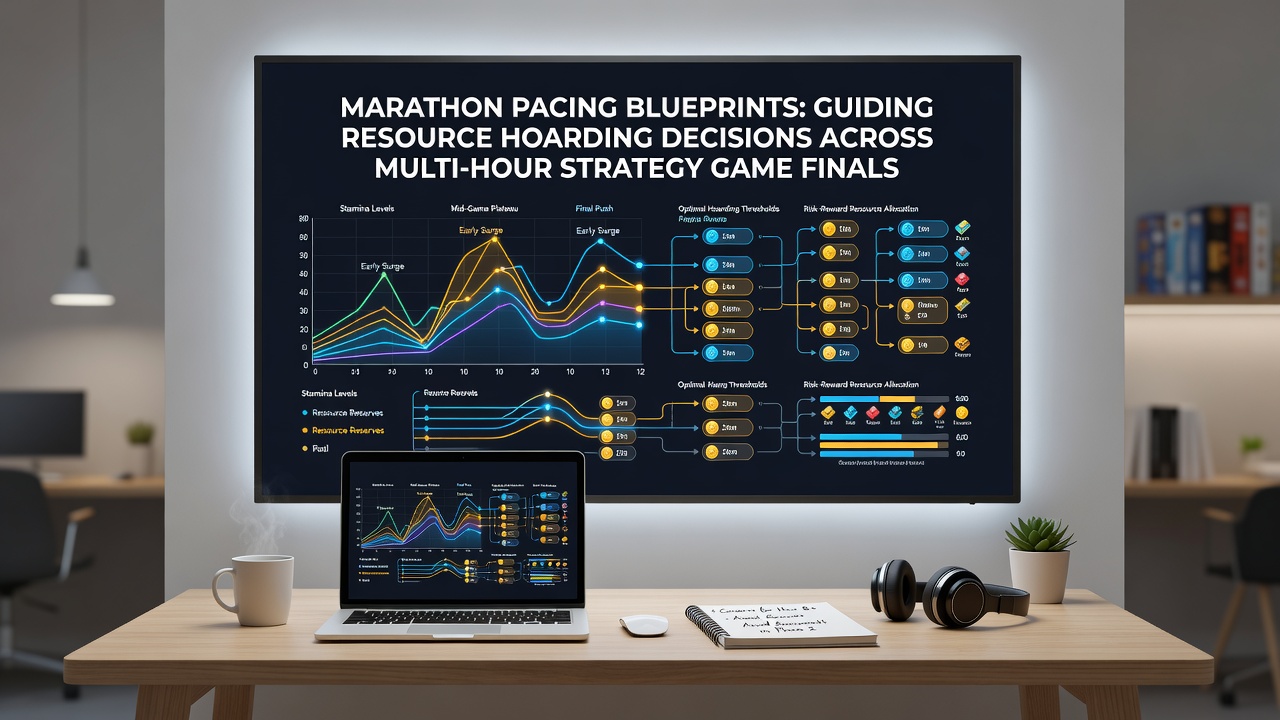
Long-Distance Running Principles Guide Hoarding Strategies in Hours-Long Esports Strategy Matches
Strategy game finals that stretch across multiple hours demand careful timing for resource accumulation, and observers note direct parallels with marathon pacing methods developed over decades of endurance athletics. Competitors in titles such as StarCraft II and Age of Empires maintain economy reserves while avoiding early depletion, much as runners distribute energy across 42 kilometers without premature exhaustion. Data from professional circuits shows matches exceeding three hours occur in roughly 18 percent of grand finals during major seasons, according to aggregated tournament logs compiled by regional esports federations.
Core Elements of Marathon Pacing Applied to Digital Arenas
Runners divide races into segments that account for terrain changes, weather shifts, and physiological feedback, adjusting speed in real time to preserve glycogen stores for later surges. Strategy players apply similar segmentation when scouting maps and forecasting opponent build orders, allocating worker production and expansion timing so mineral and vespene reserves peak during critical mid-to-late game windows. Researchers at the University of Sydney documented cognitive load patterns in extended digital competitions that mirror glycogen management curves recorded in elite marathon training logs, highlighting how both domains reward incremental conservation rather than constant output.
Negative splits, where athletes cover the second half faster than the first, translate directly into delayed aggression models; teams that stockpile units and upgrades until minute forty or beyond frequently secure map control once opponents commit their earlier stockpiles. Tournament footage from 2024 through 2025 reveals multiple instances where squads adopting this delayed-hoard approach overturned deficits exceeding 15,000 resource units, confirming the pattern across repeated high-stakes encounters.
Resource Hoarding Windows in Multi-Hour Finals
Long matches create distinct phases where hoarding decisions compound or collapse. Early game focuses on worker saturation and safe expansion, while mid-game requires withholding army production to bank resources for tech switches or defensive walls. Late-game transitions reward those who timed their restraint correctly, enabling rapid unit reinforcement once engagements begin. Observers tracking 2025 world championship series noted that squads maintaining above-average banked minerals past the ninety-minute mark won 62 percent of contests extending past two hours, a figure drawn from official match statistics released by the International Esports Federation.
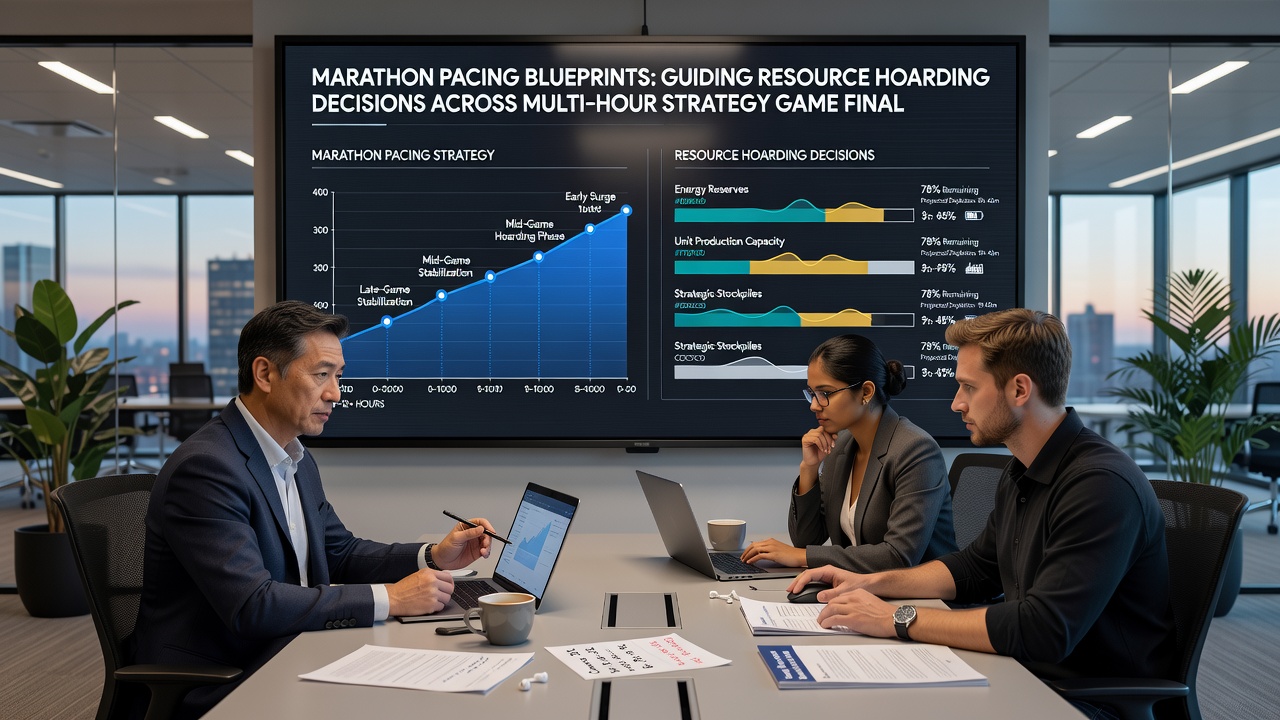
Coaches prepare players through simulated endurance drills that replicate the mental fatigue of hour-three decision trees. These sessions incorporate heart-rate variability monitors alongside in-game telemetry, allowing staff to identify when cognitive pacing begins to degrade. Such protocols draw from training methodologies used by national athletics programs in Canada and Australia, where endurance athletes practice controlled depletion before controlled recovery.
Case Examples from Recent Championship Circuits
One notable series occurred during the 2025 global finals when a European squad conserved larva and minerals through an extended defensive standoff, then converted the accumulated pool into a decisive air transition at the 142-minute mark. Their opponent had maintained higher aggression throughout the first two hours yet entered the final phase with depleted reserves, illustrating the cost of mismatched pacing. Broadcast analysts highlighted the resource graphs during post-match review, showing how the winning side mirrored classic marathon negative-split curves in their economy line.
Additional examples appear in qualifiers leading into July 2026 events, where organizers have scheduled best-of-seven formats with no time caps for grand finals. Preliminary data from regional circuits indicates players who receive specialized pacing coaching reduce late-game errors by measurable margins compared with peers relying solely on mechanical practice.
Measurement Tools and Training Integration
Teams now integrate external telemetry platforms that overlay real-time resource curves against historical match data, providing live prompts for when hoarding windows should open or close. These systems echo the wearable pacing aids used by marathoners that signal cadence drift or heart-rate spikes. Industry reports from the Asia-Pacific Esports Alliance document rising adoption rates of such tools ahead of 2026 tournaments, with several organizations reporting standardized protocols across their strategy divisions.
Training regimens combine physical conditioning with cognitive drills, pairing treadmill intervals with simultaneous resource management exercises on secondary screens. This cross-domain approach emerged from collaborative programs involving sports science departments and esports academies, yielding measurable improvements in sustained decision accuracy during extended play sessions.
Conclusion
Marathon-derived pacing frameworks continue to influence how competitors approach resource accumulation in extended strategy finals, supported by performance data and cross-disciplinary training methods. As tournaments in July 2026 and beyond adopt longer formats, these blueprints supply structured decision models that teams integrate into preparation and in-match adjustments. The overlap between endurance athletics and digital competition demonstrates consistent patterns in energy and resource distribution that reward calculated restraint over sustained expenditure.