From Pedals to Abilities: Cyclist Cadence Methods Reshape Skill Rotation Timings in MOBA Esports
Jonas Reed · Jun 22, 2026
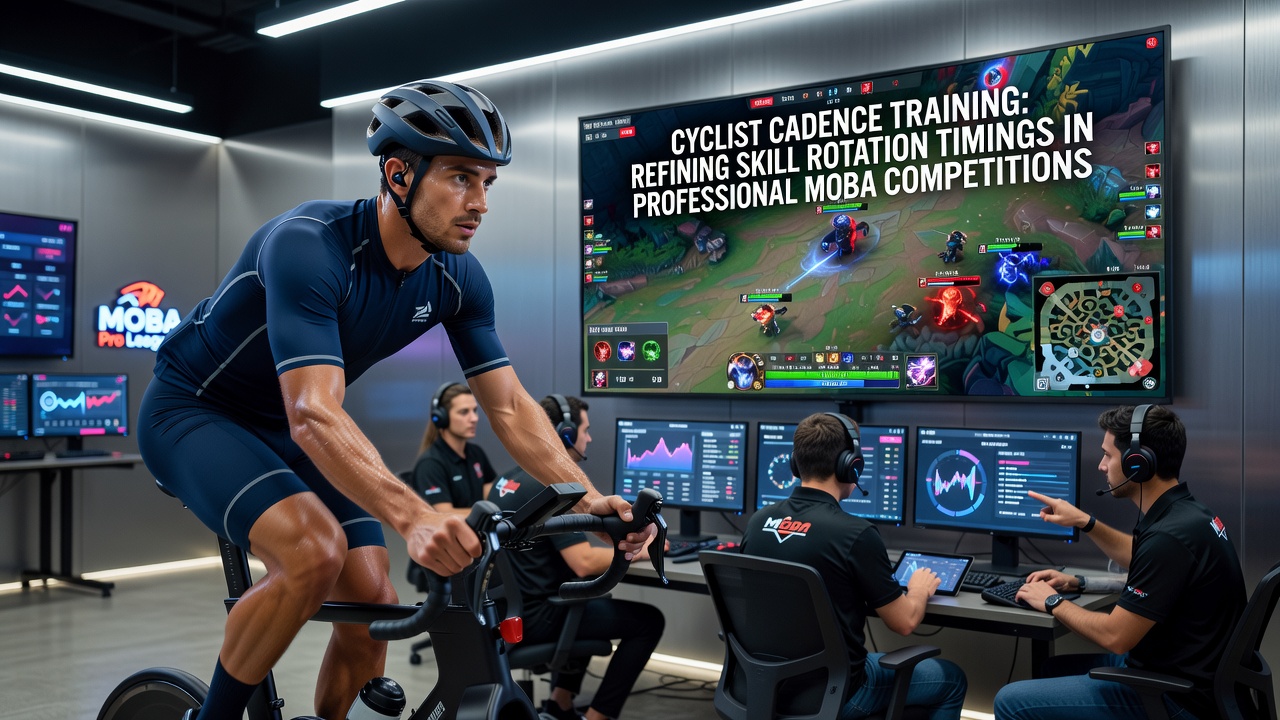
From Pedals to Abilities: Cyclist Cadence Methods Reshape Skill Rotation Timings in MOBA Esports
Professional MOBA competitors have started integrating cadence training principles from competitive cycling into their preparation routines, and this shift focuses on refining the timing and consistency of skill rotations during matches. Cadence in cycling refers to the rate at which a rider turns the pedals, typically measured in revolutions per minute, and coaches have long used structured drills to build rhythmic efficiency that reduces fatigue while maintaining power output over long distances.
Core Elements of Cadence Training
Cycling programs emphasize intervals where athletes maintain specific cadences under varying resistance levels, which builds neuromuscular patterns that allow for precise control even when external conditions change. Researchers at the Australian Institute of Sport have documented how these methods improve motor timing accuracy, and similar metrics now appear in MOBA training logs where players track ability activation sequences in frames per second.
Teams measure rotation cadence through software that records the intervals between spell casts, much like power meters log pedal strokes. Data shows that players who complete dedicated cadence sessions achieve more consistent gaps between abilities, reducing the variability that can occur under tournament pressure. This approach draws directly from endurance cycling protocols that prioritize steady output across extended efforts.
Transferring Rhythmic Precision to MOBA Rotations
Skill rotations in games such as League of Legends or Dota 2 require players to execute ability combinations with exact timing to maximize damage or utility within narrow windows. Observers note that cyclists who transition into esports coaching roles introduce drills where athletes perform ability sequences at controlled tempos before gradually increasing speed, mirroring the progression from low-cadence endurance rides to high-cadence sprints.
During practice, competitors often use metronome applications set to target rotations per minute while executing champion-specific combos. Those who've studied this integration report measurable gains in execution reliability, especially during extended team fights where mental fatigue typically disrupts timing. The method avoids random repetition by enforcing rhythmic structure that becomes automatic over repeated sessions.
Implementation in Professional Circuits
Coaching staffs in several MOBA organizations now include former cycling trainers who adapt interval structures for digital environments. One documented case involved a European squad that incorporated 20-minute cadence blocks into daily routines ahead of the June 2026 LEC summer split, resulting in tracked improvements in ability uptime metrics during scrimmages. Players perform these sessions on specialized input devices that register activation timing with millisecond precision.
Training logs reveal that teams monitor both average rotation cadence and deviation scores, allowing adjustments similar to how cycling coaches tweak gear ratios based on rider feedback. This data-driven loop has spread to North American and Asian circuits, where analysts cross-reference esports performance databases with established sports science repositories for pattern matching.

Supporting Research and Measurement Tools
Studies from institutions like the University of Calgary's Human Performance Lab have examined how rhythmic training affects fine motor control under cognitive load, and esports organizations reference these findings when designing rotation drills. Software platforms now integrate cadence-style analytics that flag when a player's activation rate drops below optimal thresholds during simulated matches.
Equipment manufacturers have responded by releasing peripherals with built-in timing feedback, enabling real-time cadence adjustments without interrupting flow. Figures from industry reports indicate rising adoption rates among rostered players preparing for international events scheduled throughout 2026.
Future Applications Across Regions
Regulatory bodies overseeing competitive gaming in multiple countries continue to examine training methodologies for standardization potential, while cycling federations such as the Union Cycliste Internationale maintain open data exchanges on motor patterning techniques. Teams in Australia and Canada have begun pilot programs that combine both fields, testing whether sustained cadence work translates to better performance in best-of-five series formats.
Coaches emphasize progressive overload in these programs, starting with simplified rotations at fixed tempos before layering in decision-making variables that mimic live match conditions. This layered approach keeps the focus on mechanical consistency while preparing athletes for the variable pacing found in professional play.
Conclusion
Cadence training drawn from cycling has established measurable pathways for improving skill rotation consistency in professional MOBA environments, supported by cross-disciplinary data collection and interval-based practice structures. As teams refine these methods ahead of major 2026 tournaments, the emphasis remains on quantifiable timing metrics that reduce execution variance across extended competitive sessions.