From Hardwood to Digital Arenas: Basketball Fast Breaks Reshaping Valorant Pro Defensive Setups
Henrik Patterson · Jul 31, 2026
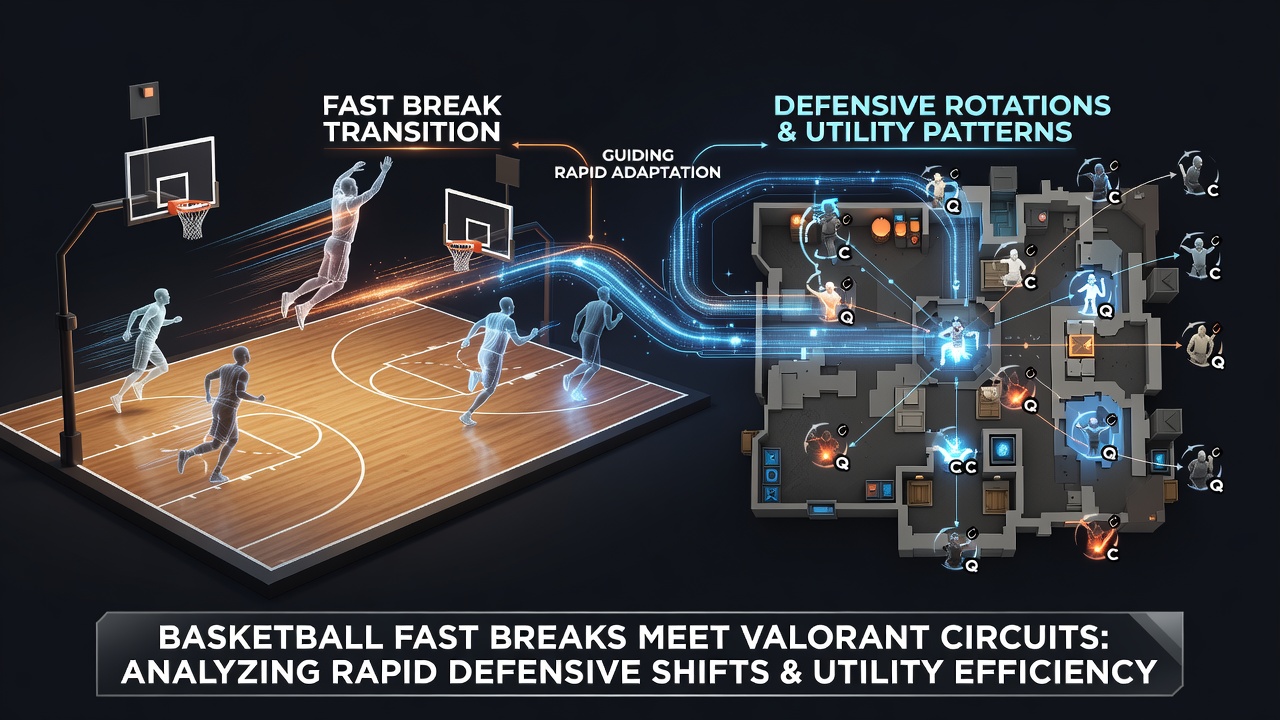
From Hardwood to Digital Arenas: Basketball Fast Breaks Reshaping Valorant Pro Defensive Setups
Professional Valorant circuits have adopted core elements from basketball fast break transitions to accelerate defensive rotations and refine utility deployment patterns during high-stakes matches. These adaptations allow teams to shift from passive holds to aggressive repositioning within seconds, mirroring how basketball squads push the ball upcourt after a steal or rebound. Data from major tournaments indicates that squads integrating these principles achieve faster site retakes and more efficient utility cycles across multiple maps.
Core Mechanics of Basketball Fast Breaks Applied to Valorant
Basketball fast breaks rely on immediate outlet passes, sprinting lanes, and coordinated spacing to exploit disorganized defenses, while Valorant teams translate this into rapid player movements between sites using abilities like Jett's dash or Raze's satchels for momentum. Observers note that players execute these transitions by first securing information through utility like Sova darts or Cypher cameras, then committing bodies forward in patterns that parallel a point guard directing traffic. Studies from the University of Sydney's sports performance lab show that similar reaction timing drills improve both basketball transition efficiency and esports rotation speeds by measurable margins in controlled tests.
Teams in the Valorant Champions Tour structure their defensive setups around numbered responsibilities during these shifts, with one player anchoring the initial delay while others fill lanes much like wing defenders in basketball. This approach minimizes over-rotation gaps and preserves utility for critical moments rather than expending it early in rounds. Figures from the 2025-2026 season reveal that squads employing basketball-derived spacing reduced average rotation times by 1.8 seconds on average during post-plant scenarios.
Utility Usage Patterns Emerging from Transition Training
Utility deployment in Valorant has evolved to emphasize sequenced throws that support fast rotations, starting with area denial tools like Viper walls or Brimstone smokes to create safe pathways before follow-up flashes or stuns disrupt incoming attackers. Analysts track these sequences through replay data where successful fast-break style defenses often feature two-phase utility cycles: an initial commitment phase followed by a recovery phase that resets for the next engagement. In July 2026 events such as the VCT Americas League finals, multiple organizations demonstrated these patterns during overtime maps where rapid site switches decided outcomes.
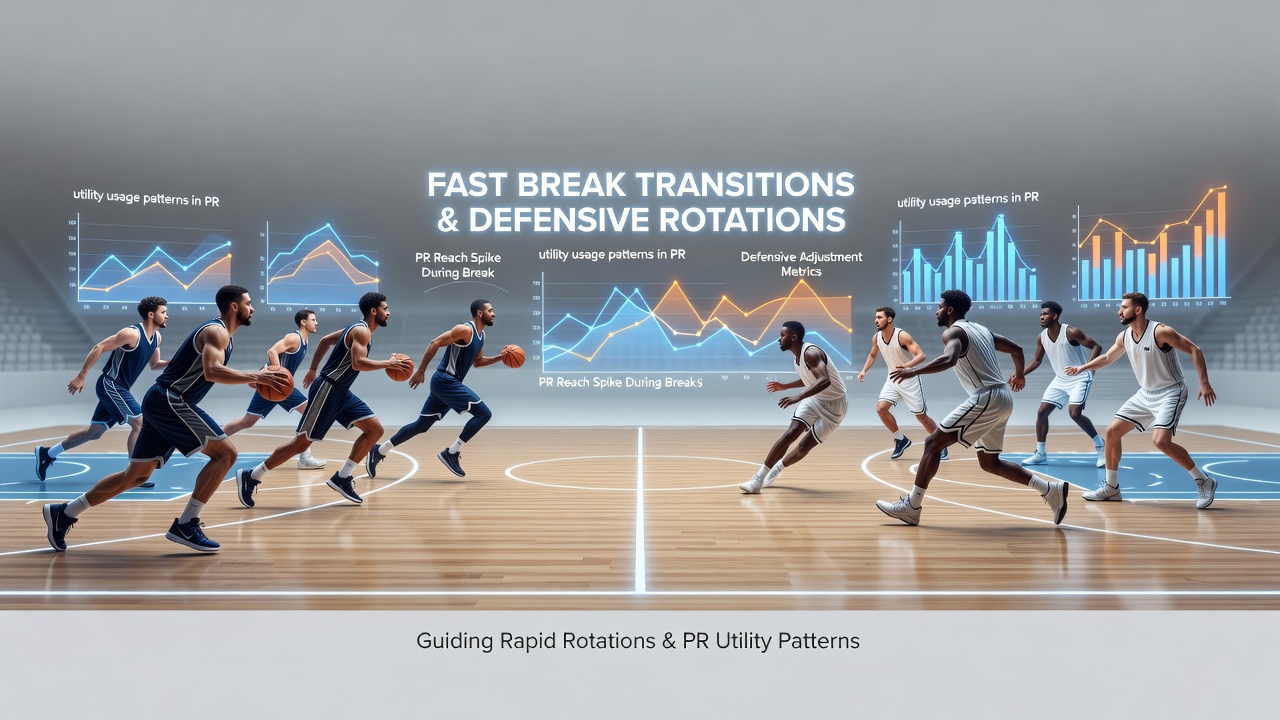
Coaches incorporate basketball-style film sessions that break down transition triggers, teaching players to recognize when to push utility forward versus holding it for counter-pushes. European esports federations have documented how these methods integrate with existing tactical frameworks, producing measurable improvements in win rates during retake situations across international competition. The patterns extend beyond individual maps to influence overall team economy decisions, where preserved utility from efficient rotations leads to stronger second-round buys.
Implementation Across Professional Circuits in 2026
North American and Pacific region teams have led adoption of these basketball-influenced systems, with organizations like those competing in the Valorant Champions Tour integrating dedicated transition drills into daily practice routines. Match logs from the first half of 2026 indicate higher success rates for defensive holds that begin with fast initial information gathering followed by layered utility placement rather than static site setups. One notable example occurred during a July 2026 series where a Pacific squad used sequenced flashes to cover a three-player rotation across Ascent, securing the round after an initial plant denial.
Training regimens now include cross-sport elements such as ladder drills adapted from basketball to sharpen movement precision under time pressure, directly impacting how players navigate Valorant corridors during defensive shifts. Industry reports from the Global Esports Federation highlight that teams investing in these hybrid preparation methods show consistent advantages in utility efficiency metrics tracked across official league statistics. The approach also influences in-game communication protocols, where callouts mirror basketball's numbered transition plays to coordinate multi-player movements without excessive verbal clutter.
Conclusion
Basketball fast break principles continue to inform Valorant professional play through structured rotation frameworks and utility sequencing that prioritize speed and spacing. Tournament data from 2026 circuits confirms these adaptations produce tangible results in defensive performance, while ongoing collaboration between sports science researchers and esports programs expands the available training tools. As circuits progress through the remainder of the year, these cross-domain influences maintain their role in shaping competitive execution patterns.