Esports Data Tools Redefine Injury Prevention Strategies for Pro Basketball Athletes
Jonas Reed · Aug 24, 2026
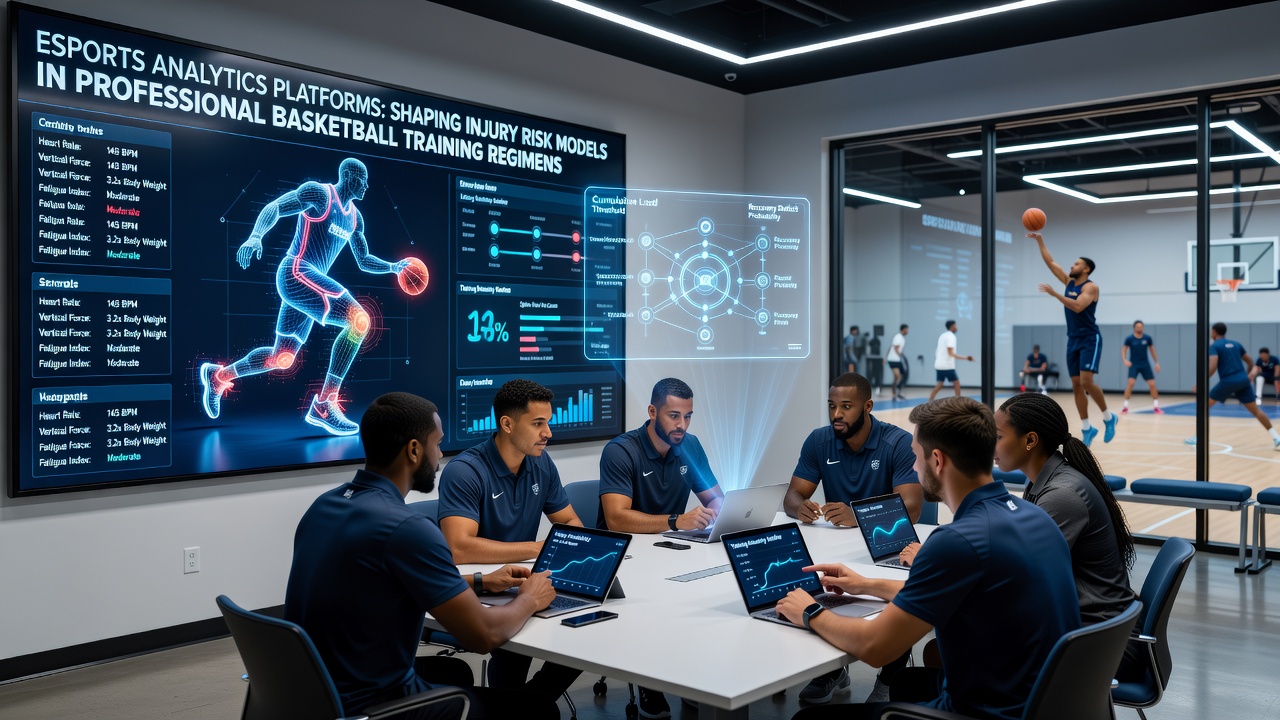
Esports Data Tools Redefine Injury Prevention Strategies for Pro Basketball Athletes
Esports analytics platforms collect vast amounts of performance data during competitive gaming sessions and these same systems now feed into injury risk models used by professional basketball teams. Researchers track metrics such as reaction times, movement patterns, and fatigue indicators in esports environments before mapping those variables onto physical training regimens for basketball players. Data from multiple leagues shows that platforms originally built for titles like League of Legends and Counter-Strike have expanded their algorithms to monitor joint stress and muscle load in court-based sports.
Teams began integrating these tools after 2024 when several organizations noticed overlaps between repetitive strain patterns in gamers and those observed in basketball guards who perform frequent lateral cuts. The platforms process heart rate variability alongside eye-tracking data to predict when an athlete approaches overexertion thresholds. Observers note that this cross-application gained momentum because esports companies already possessed granular logging systems capable of handling thousands of data points per minute.
Platform Capabilities Applied to Basketball Contexts
Modern esports analytics suites like those developed by companies focused on professional gaming circuits now include modules that simulate biomechanical loads. These modules translate digital movement data into physical equivalents, such as equating mouse flick speeds to quick directional changes on a hardwood floor. Professional basketball training staffs import this information into existing wearable sensor networks worn during practice sessions. The combined datasets allow coaches to adjust drill intensity before an athlete reaches critical fatigue levels that historically led to soft tissue injuries.
Studies conducted at the University of Queensland have examined how reaction-time decay curves from esports tournaments align with similar declines measured in basketball players during fourth-quarter scenarios. Findings indicate that early detection of these curves permits interventions like reduced court time or modified conditioning work. Teams that adopted the integrated models reported fewer instances of ankle sprains and knee strains across regular season schedules.
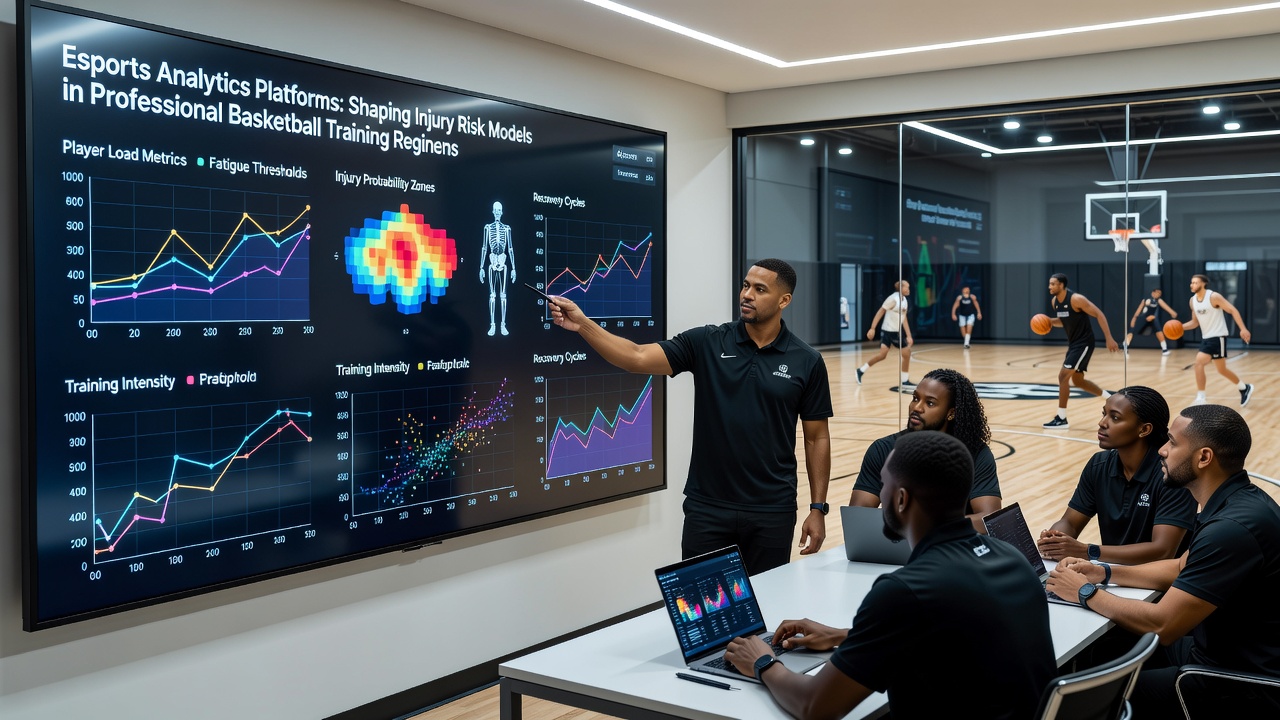
Implementation Patterns Emerging in 2026
By August 2026 multiple NBA franchises had incorporated esports-derived risk scoring into daily training reports. The systems generate color-coded alerts when cumulative load exceeds personalized baselines established during preseason testing. Training regimens now feature micro-adjustments such as altered jump volumes or modified defensive slide drills based on these alerts. Analysts cross-reference the alerts with video footage to confirm whether movement inefficiencies match the predicted risk profiles.
European basketball clubs competing in EuroLeague events have followed a parallel path after licensing similar platforms from Scandinavian gaming analytics firms. Data indicates that the shared infrastructure reduces redundant sensor purchases while increasing the accuracy of long-term injury forecasts. Staff members receive dashboards that combine esports benchmarks with on-court GPS tracking to create unified workload scores.
Case Examples from League Operations
One Eastern Conference team adjusted its guard rotation schedule after platform outputs flagged elevated risk during back-to-back game stretches. The change involved substituting a high-minute player earlier in the second half while maintaining overall team performance metrics. Similar adjustments appeared across Western Conference squads that began feeding esports-derived fatigue algorithms into their recovery protocols. Researchers tracking these changes observed measurable drops in soft-tissue injury rates during the 2025-2026 season.
College programs affiliated with NCAA conferences have tested scaled-down versions of the same platforms during summer training camps. The goal centers on preparing athletes for professional workloads while minimizing the transition-related injury spikes commonly recorded in first-year pros. Reports from these programs show alignment between esports reaction data and on-court decision-making speed under fatigue.
Future Data Integration Pathways
Industry reports suggest continued expansion of these hybrid models into youth development academies where early load management can influence long-term athlete durability. Partnerships between gaming technology providers and sports medicine groups continue to refine the translation layers that convert digital metrics into physical training prescriptions. Observers expect additional validation studies to appear in peer-reviewed journals by the end of 2026.
Conclusion
Esports analytics platforms have supplied professional basketball organizations with new datasets and modeling techniques that reshape how injury risk gets quantified and managed during training cycles. The integration process relies on shared metrics around reaction, fatigue, and movement efficiency that bridge digital and physical domains. Continued refinement of these systems will likely produce more precise intervention points as additional longitudinal data becomes available across leagues.