Broadcast Systems Blend Arena Footage With Esports Interfaces to Deliver Unified Spectator Insights
Jonas Reed · Aug 7, 2026
Broadcast Systems Blend Arena Footage With Esports Interfaces to Deliver Unified Spectator Insights
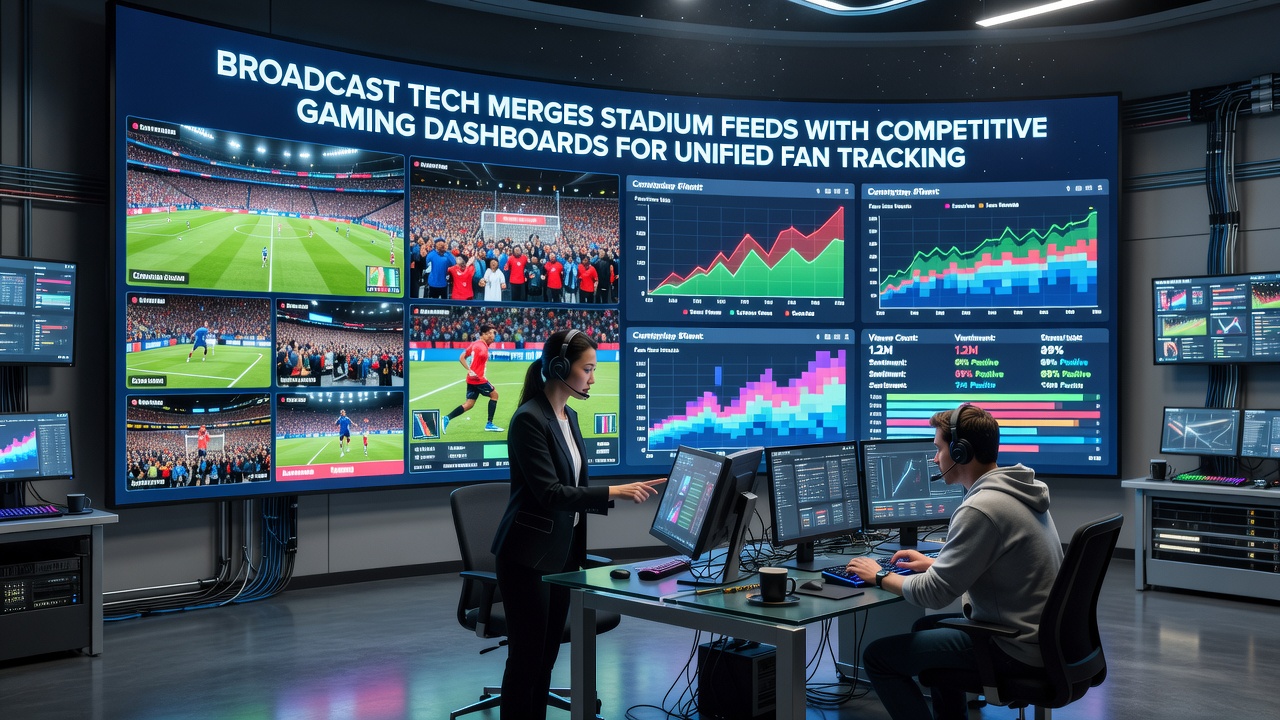
Stadium venues have adopted integrated broadcast platforms that combine traditional arena camera networks with competitive gaming data overlays, creating single dashboards that track viewer engagement across both physical and digital domains. These systems pull real-time signals from multiple sources including seat sensors, mobile app interactions, and in-game telemetry, then route the combined streams through centralized servers for simultaneous display on venue screens and remote platforms.
Core Components of the Merged Infrastructure
Engineers at major venues have deployed fiber-optic backbones capable of handling 8K video from fixed stadium cameras alongside low-latency data packets from tournament software, while synchronization protocols align timestamps from physical movement trackers with in-match statistics so operators can generate unified heat maps that show crowd density next to player performance metrics. Data centers located on-site process these inputs through middleware layers that normalize formats before feeding them into visualization engines used by both broadcast trucks and fan-facing applications.
Teams responsible for content delivery have tested API connections that let venue management pull live stats from esports titles directly into the same monitoring consoles that display ticket scans and concession sales, allowing staff to adjust lighting or audio cues based on combined activity spikes rather than isolated feeds. As of August 2026 several European facilities have reported successful trials where latency stayed under 200 milliseconds across the full pipeline from capture to display.
Implementation Examples Across Venues
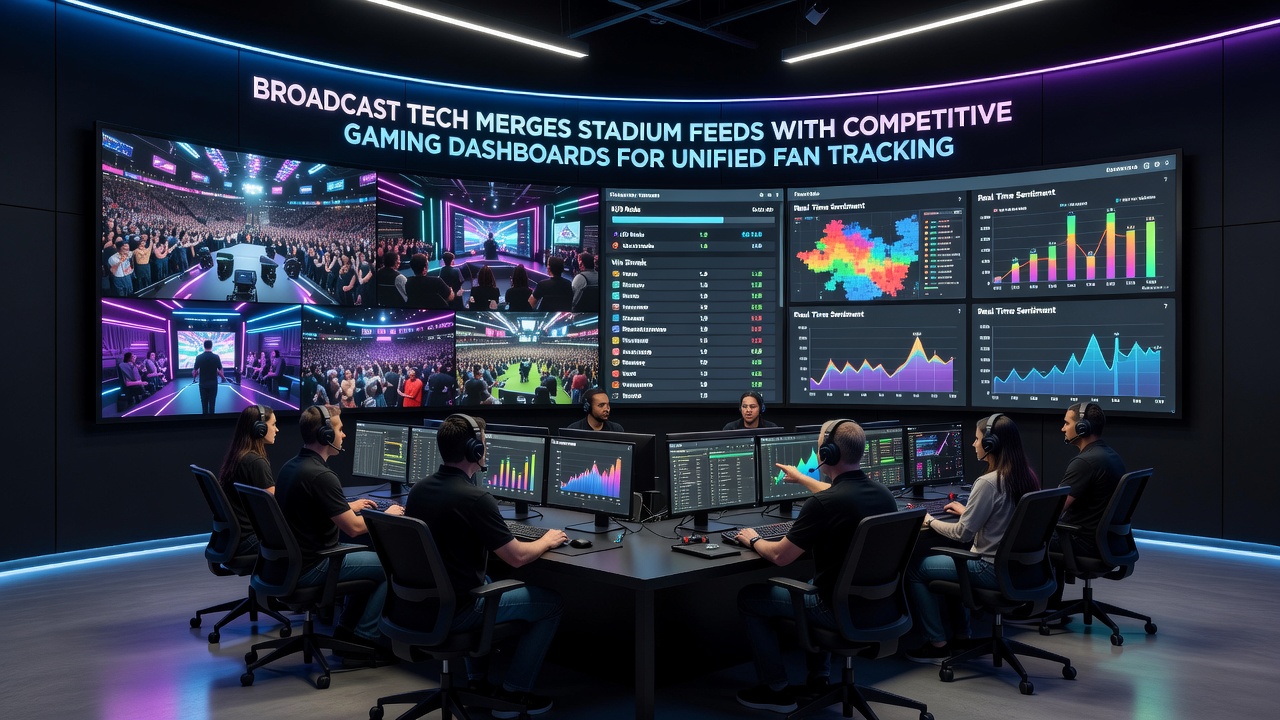
One facility in Australia integrated its existing rugby match camera array with battle arena software dashboards during a co-located tournament series, producing a single control interface that let directors switch between crowd reaction shots and character positioning data without changing workstations. Observers noted that production crews completed setup in under four hours once the middleware layer was configured, and subsequent events showed consistent uptime above 99.7 percent according to internal logs shared with the Australian Communications and Media Authority.
North American arenas followed similar patterns by linking ice hockey broadcast trucks to tactical shooter event servers, creating dashboards that overlay goal-scoring heat maps with bomb-plant locations from simultaneous esports matches. Research groups at several universities have documented these deployments through case studies that track packet loss rates and viewer retention metrics, finding measurable improvements in cross-platform engagement when feeds remain synchronized.
Data Handling and Privacy Considerations
System architects have incorporated encryption standards that protect both biometric readings from wearable devices worn by attendees and proprietary game telemetry shared under tournament licensing agreements. Regulatory frameworks in Canada and the European Union require explicit consent modules within the apps that feed data into these unified systems, and compliance audits completed in early 2026 confirmed that anonymization routines strip personal identifiers before aggregation occurs.
Industry reports from the Entertainment Software Association indicate that storage infrastructure for these combined datasets now routinely exceeds 50 petabytes per major venue, with automated pruning policies that retain only summary statistics after 90 days unless longer retention is justified by specific operational needs. Access logs are maintained for all queries made against the unified dashboards, supporting both troubleshooting and external oversight requests.
Future Scaling and Technical Standards
Working groups within international standards bodies continue to refine protocols that will allow additional sensor types, such as drone-mounted cameras above stadium fields and eye-tracking modules inside VR headsets used for remote esports viewing, to plug into the same data fabric without custom integration work. Pilot programs scheduled for late 2026 aim to test these expansions at multi-venue complexes where feeds from separate locations converge at a single operations center.
Network providers have begun upgrading 5G small-cell arrays inside arenas to support the increased uplink demands created by thousands of simultaneous mobile uploads from spectators who opt into the tracking features. Throughput measurements collected during recent test events show sustained rates above 1.2 Gbps per sector when both video and telemetry streams operate concurrently.
Conclusion
Stadium broadcast platforms that merge physical venue feeds with competitive gaming dashboards continue to expand their reach through standardized interfaces and expanded sensor networks. Data from regulatory bodies and industry associations shows consistent growth in deployment scale, while technical documentation outlines the protocols that maintain synchronization across disparate input sources. These developments provide venues with consolidated monitoring capabilities that support both operational decisions and enhanced spectator interfaces without requiring separate infrastructures for each content type.