Bridging Digital Arenas and Physical Fields: Esports Metrics Informing Injury Forecasts in Contact Leagues
Hugo Schmitz · Jul 6, 2026
Bridging Digital Arenas and Physical Fields: Esports Metrics Informing Injury Forecasts in Contact Leagues
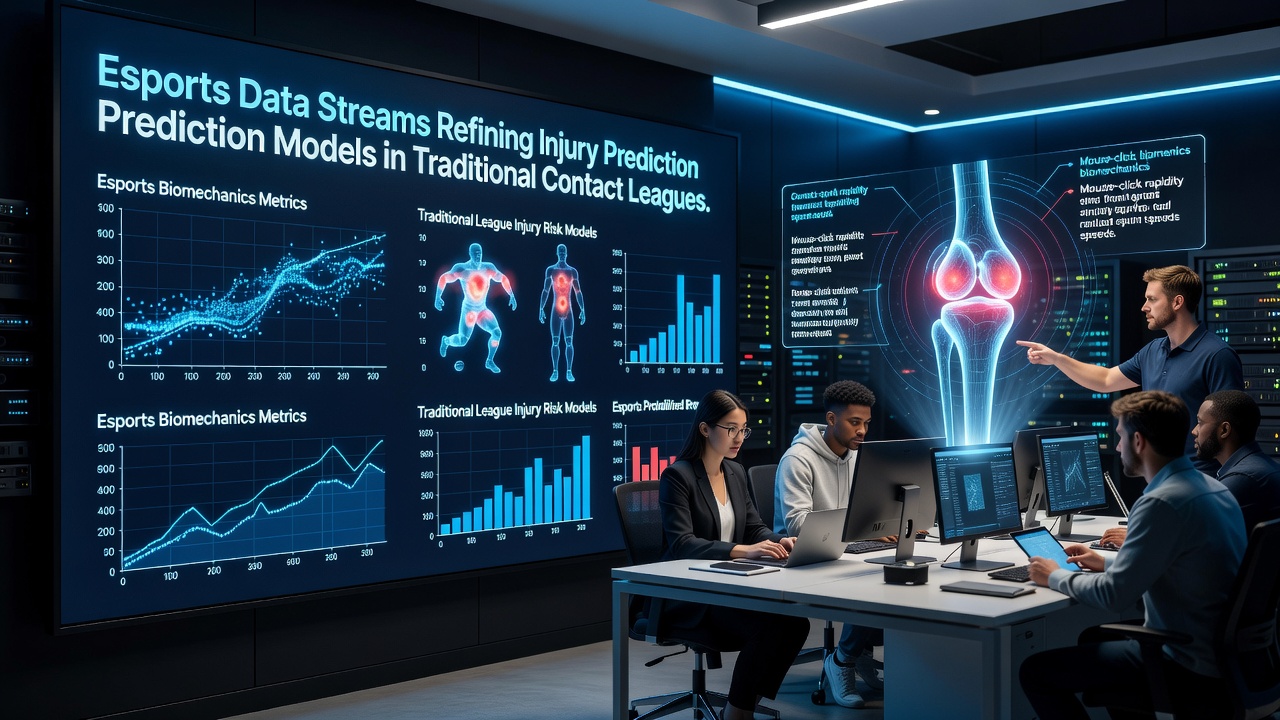
Competitive gaming platforms generate continuous streams of biometric and performance information that researchers now apply to refine injury prediction models used across traditional contact sports, and organizations in multiple regions have begun integrating these datasets to identify patterns of fatigue and strain before they escalate into physical setbacks.
Esports Data Collection Methods and Their Core Components
Professional esports teams equip players with heart rate monitors, eye-tracking systems, and muscle activation sensors that capture thousands of data points during matches, while these same tools record reaction times, postural adjustments, and cognitive load indicators that correlate with overexertion signals observed in athletes who participate in high-impact sports. Researchers at institutions such as the Australian Institute of Sport have examined how prolonged screen time and repetitive fine-motor movements produce measurable stress markers that parallel the repetitive strain injuries common in rugby and American football, and the resulting datasets allow analysts to build algorithms that flag elevated risk periods with increasing precision.
Telemetry from games such as League of Legends and Counter-Strike provides granular logs of player positioning and decision frequency that mirror the spatial awareness demands placed on defensive backs or midfielders, and when combined with physiological readings these logs help create composite profiles that predict when cumulative stress might lead to soft-tissue damage or concussive events in contact environments.
Transferring Insights from Gaming Environments to Physical Contact Leagues
Coaching staffs in major football leagues have started testing adapted versions of esports fatigue-detection models during training camps, where wearable devices stream similar metrics to those collected from competitive gamers, and early results show improved identification of athletes who exhibit early signs of neuromuscular fatigue that historically preceded knee or ankle injuries. Data from European sports science programs indicates that integrating eye-movement patterns and heart-rate variability from digital competitions enhances the accuracy of existing load-management systems by approximately 15 to 20 percent in controlled trials conducted through mid-2026.
Analysts note that esports competitors often maintain elevated cognitive engagement for extended periods without the external visual cues available in stadium settings, and this sustained focus produces unique recovery curves that researchers map onto the mental and physical demands faced by hockey players during back-to-back games or soccer athletes navigating congested fixture schedules.
Implementation Examples and Ongoing Research Initiatives
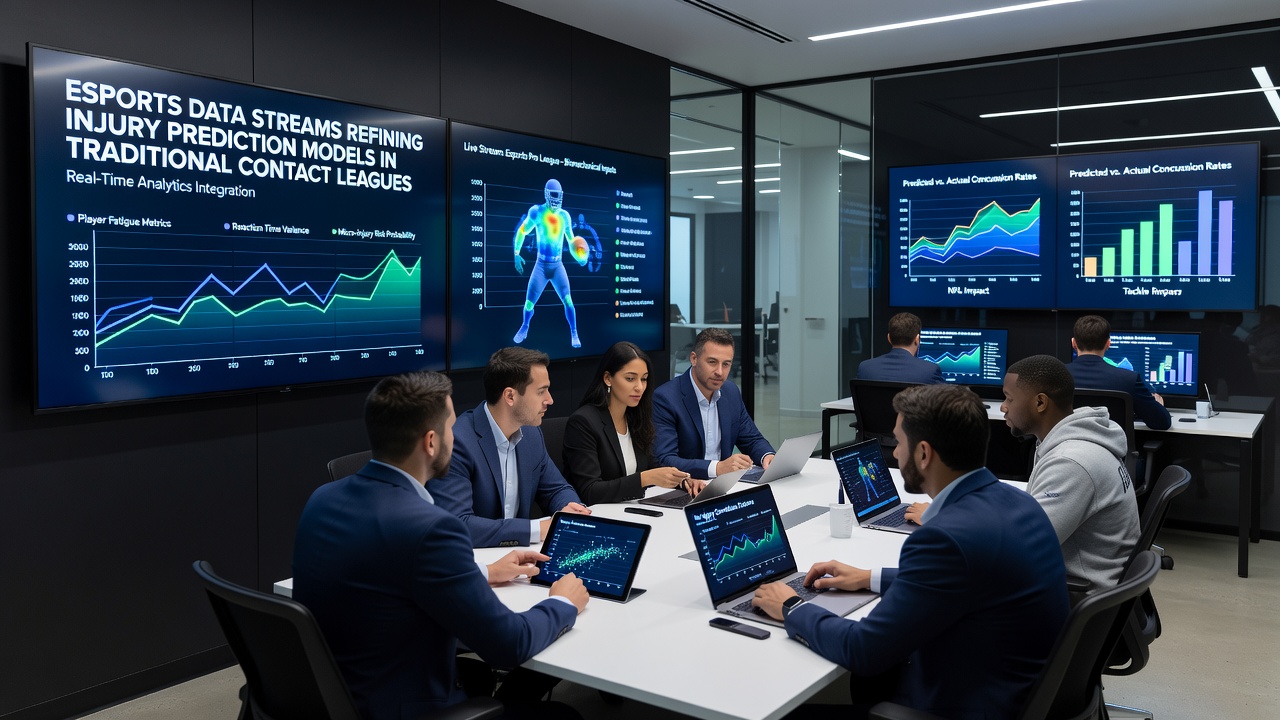
One North American professional basketball organization piloted a hybrid monitoring program in spring 2026 that merged esports-derived cognitive load metrics with traditional GPS tracking, and the approach allowed medical personnel to adjust individual workloads two to three days earlier than previous methods permitted, reducing reported soft-tissue complaints during the latter half of the season. Similar projects have appeared in Australian rules football clubs, where staff cross-reference player hydration and sleep data collected through gaming-adjacent platforms with on-field impact sensors to refine return-to-play protocols.
Academic groups continue to publish findings that compare reaction-time degradation curves from esports tournaments with tackle-avoidance statistics recorded in rugby union, and these comparisons help isolate variables such as micro-sleep episodes or decision latency that may precede concussive incidents. A collaborative study involving Canadian university researchers and league medical departments released preliminary figures in July 2026 showing that models incorporating esports telemetry reduced false-positive injury alerts by nearly one quarter compared with legacy systems that relied solely on physical training logs.
Future Directions for Cross-Domain Data Integration
Industry groups including the Esports Integrity Commission and various national sports federations have begun drafting shared data standards that would allow secure, anonymized exchange of performance streams between gaming organizations and traditional athletic leagues, and these frameworks aim to preserve privacy while accelerating model refinement across both domains. Observers expect additional pilot programs to launch during the 2026-2027 season, particularly in leagues already equipped with advanced wearable infrastructure.
Continued validation studies will determine how well patterns observed in controlled gaming environments translate to the unpredictable variables present during live contact competition, and researchers emphasize that any predictive gains must undergo rigorous testing before widespread clinical adoption occurs.
Conclusion
Esports data streams continue to supply detailed biometric and behavioral metrics that complement existing injury surveillance systems in contact sports, and ongoing collaborations between gaming technologists and sports medicine teams have produced measurable improvements in early risk detection through 2026. As standardized protocols for data sharing expand, the integration of these previously separate information sources offers a pathway toward more precise, individualized load-management strategies across both digital and physical athletic environments.