Boxing Footwork Finds New Ground in Hero Shooter Evasion Plays
Jonas Reed · Jun 24, 2026
Boxing Footwork Finds New Ground in Hero Shooter Evasion Plays
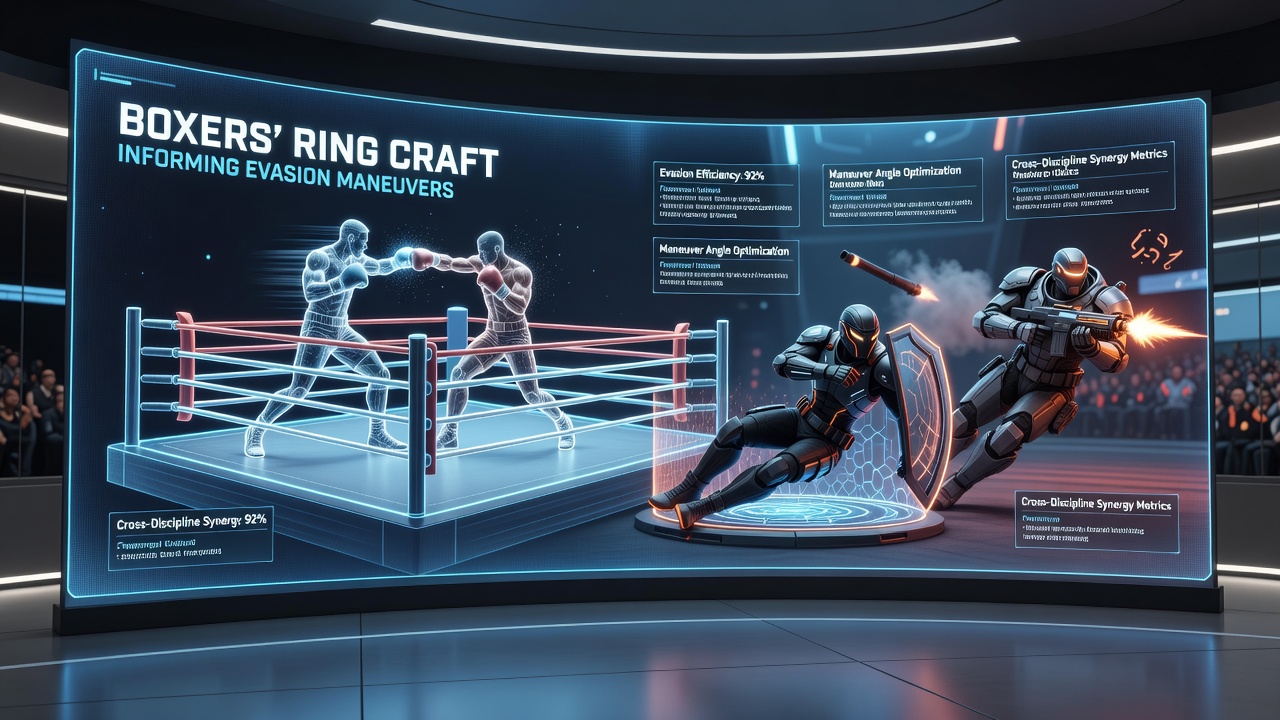
Boxing ring craft has long emphasized precise foot placement, weight distribution, and reactive positioning, and these elements now appear in hero shooter esports where players execute rapid directional changes to avoid incoming fire. Research from motor learning studies shows that repeated practice of angular steps and pivots builds neural pathways transferable across physical and virtual environments, while data from competitive play logs indicate higher survival rates among players who incorporate such patterns during ability cooldown windows.
Observers note that professional teams in titles like Overwatch and Apex Legends study footage of boxers such as Manny Pacquiao and Vasyl Lomachenko to extract sequences of lateral slides and angle creation. These sequences translate directly into in-game strafing rhythms that disrupt enemy tracking, particularly when combined with hero-specific movement abilities that reset momentum or grant brief bursts of speed.
Core Ring Principles Mapped to Digital Arenas
Boxers maintain constant motion within a confined square to control distance and create openings, and the same principle operates when hero shooter competitors circle payload objectives or contest high-ground positions. The jab step, used by fighters to probe an opponent’s reaction time, mirrors the short, deliberate mouse adjustments that test an enemy’s aim assist or projectile lead calculations before committing to a full directional change.
Weight transfer drills from boxing gyms, where athletes shift balance from lead foot to rear foot in milliseconds, appear in esports training routines through custom aim trainers that require players to snap between targets while maintaining forward momentum. Figures from the Australian Institute of Sport’s performance analysis programs reveal measurable improvements in reaction latency when athletes cross-train these specific footwork patterns with simulated game scenarios.
Head Movement and Unpredictable Trajectories
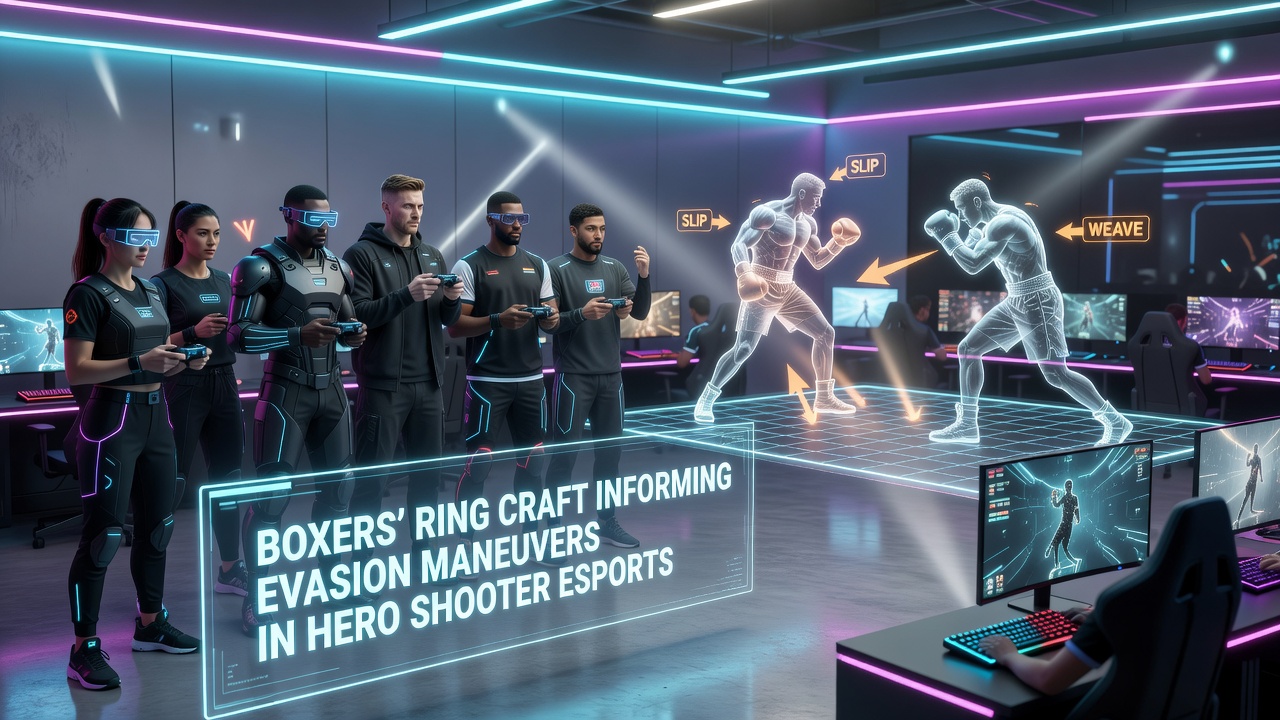
Bob-and-weave mechanics, refined over decades in professional boxing rings, inform the vertical and horizontal oscillations that hero shooter players use to break line-of-sight during ult economy fights. Instead of linear retreats that allow easy prediction, competitors execute small elliptical paths that echo a fighter slipping punches, forcing opponents to recalibrate crosshairs mid-engagement.
Coaching staffs now integrate motion-capture data from boxing sparring sessions into their review software, allowing analysts to overlay real-world evasion arcs onto game replay heatmaps. This approach gained traction ahead of the June 2026 mid-season tournaments, where several North American squads reported adjusted movement macros after reviewing such composite footage.
Feints, Timing Windows, and Ability Synergy
Feinting in boxing serves to draw committed responses without expending full energy, and the digital equivalent occurs when players begin a directional input then cancel it to bait cooldowns or misdirect crowd-control abilities. Professional players who study boxing timing often layer these micro-feints into hero kits that reward deceptive movement, such as characters with dash resets or phase-shift mechanics.
Industry reports compiled by the Esports Integrity Commission highlight that teams incorporating structured boxing-derived drills show consistent gains in post-plant survival metrics across multiple regions. The drills focus on interval-based evasion rather than static positioning, encouraging players to treat each engagement as a three-round boxing exchange where positioning dictates resource expenditure.
Training Integration Across Regions
European and Asian academies have adopted hybrid regimens that alternate between physical boxing pads and in-game deathmatch servers, creating athletes who execute evasion sequences with reduced telegraphing. Canadian university labs studying cognitive transfer between sports have documented faster adaptation rates when participants begin with boxing footwork templates before advancing to hero-specific ability timing.
These programs emphasize recovery steps after an initial dodge, ensuring players land in positions that maintain sightlines on multiple threats rather than retreating into corners. The pattern appears repeatedly in professional match data from 2025 through mid-2026 circuits, where teams using such preparation record lower death-to-damage ratios during chaotic mid-fight resets.
Conclusion
Boxing ring craft continues to supply measurable frameworks for evasion in hero shooter esports through footwork mapping, head movement replication, and feint timing. As performance analytics grow more granular, cross-disciplinary transfer between the two domains expands, supported by training data from multiple continents and competition records that track survival improvements tied to these borrowed techniques.