Archery Breathing Cycles and Sniper Steadiness in Battle Royale Circuits
Jonas Reed · Jul 15, 2026
Archery Breathing Cycles and Sniper Steadiness in Battle Royale Circuits
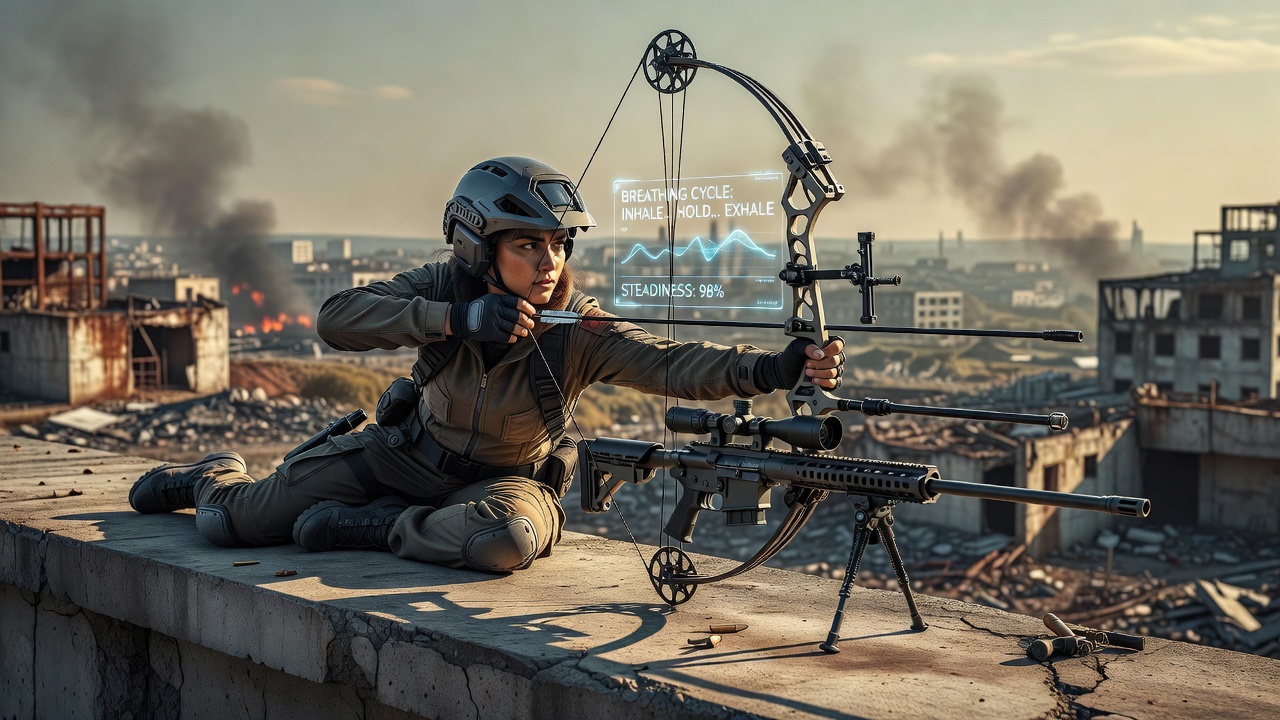
Archery has long emphasized rhythmic breathing patterns that stabilize the body during sustained aim, and observers note similar principles appearing in battle royale esports where snipers maintain positions over extended periods. Research indicates that archers typically follow a cycle of deep inhalation followed by a controlled exhale and brief pause at the point of release, which minimizes muscle tremors and supports consistent hold. Those who've studied sports physiology find these methods translate effectively when players adopt comparable routines during overwatch duties in titles such as PUBG and Apex Legends circuits.
Core Elements of Archery Breath Control
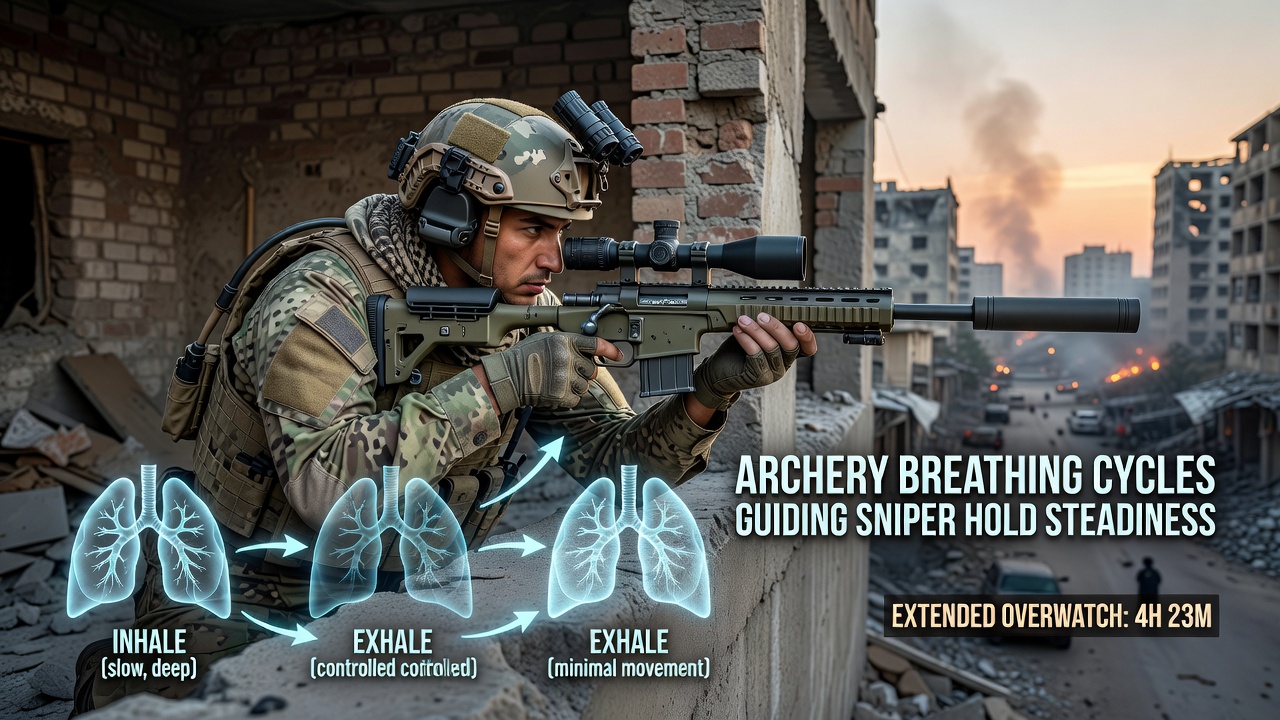
Traditional archery training programs focus on diaphragmatic breathing that expands the lower lungs while keeping the upper body relaxed, and data from sports science reports show this approach reduces heart rate variability during high-pressure shots. Athletes often count through a four-second inhale, six-second exhale, and two-second hold before executing, which allows oxygen levels to stabilize without introducing shake from forced tension. Battle royale competitors in professional leagues have begun integrating these sequences during long-range engagements where scopes remain trained on distant targets for minutes at a time, because the same neuromuscular stability that benefits bow accuracy also counters recoil sway and mouse drift in digital environments.
Application in Extended Overwatch Sessions
Battle royale tournaments frequently require snipers to occupy elevated positions for 15 to 30 minutes while scanning for movement, and evidence suggests that incorporating archery-derived pauses between breaths helps maintain crosshair placement without gradual drift. Players coordinate these cycles with in-game timers such as zone closures or teammate rotations, creating a predictable rhythm that supports focus across multiple engagements. Studies conducted by Canadian research institutions on endurance in precision tasks reveal that individuals trained in controlled breathing demonstrate steadier aim metrics over hour-long sessions compared with those relying on irregular patterns, and esports teams have noted parallel improvements when coaching staff introduce archery protocols during preparation phases ahead of major events scheduled for July 2026.
Training Integration Across Circuits
Coaches in regional battle royale leagues now include breathing drills adapted from archery federations, where participants practice holding simulated sights while cycling through inhale-exhale sequences timed to match average engagement windows. One documented case from Australian esports development programs showed participants achieving measurable reductions in aim variance after eight weeks of combined physical and digital sessions, because the technique addresses both physiological tremor and cognitive load during sustained observation. Teams structure these exercises around actual match data, timing breath holds to coincide with predicted enemy approach vectors drawn from previous tournament footage.
Physiological Data and Performance Metrics
Figures from European sports performance labs indicate that heart rate stabilization through patterned breathing correlates with improved hit registration rates in simulated long-range scenarios, and battle royale organizations have started collecting similar telemetry during official matches. Players who synchronize exhalation with trigger pulls report fewer instances of scope bounce when adjusting for bullet drop, while those maintaining neutral breath states throughout overwatch periods experience less fatigue accumulation by the late stages of matches. Industry reports compiled by the International Esports Federation highlight that squads incorporating cross-disciplinary methods from traditional sports show higher placement consistency across multi-day events, because breathing discipline supports recovery between engagements without requiring full disengagement from monitoring duties.
Equipment and Environmental Factors
Modern gaming peripherals now include optional haptic feedback modules that can pulse in alignment with user-defined breathing rhythms, allowing snipers to maintain archery-style cycles without visual distraction from timers. Tournament venues scheduled for 2026 have begun providing dedicated recovery zones equipped with biofeedback tools originally developed for archery athletes, enabling competitors to refine hold steadiness under controlled conditions before returning to competition stations. Environmental variables such as venue temperature and seating ergonomics also influence how effectively these techniques perform, and organizers coordinate with sports science consultants to optimize setups that minimize external variables affecting breath control.
Conclusion
Archery breathing cycles continue to inform sniper training protocols within battle royale circuits as teams seek measurable edges in hold stability during prolonged overwatch. Data from multiple geographic regions demonstrates consistent physiological benefits when these methods integrate into daily preparation, and upcoming tournament calendars for July 2026 reflect growing adoption across professional leagues. Observers tracking performance trends note that the intersection of traditional precision sports and digital competition environments produces practical applications that teams refine through ongoing data collection and cross-training initiatives.